
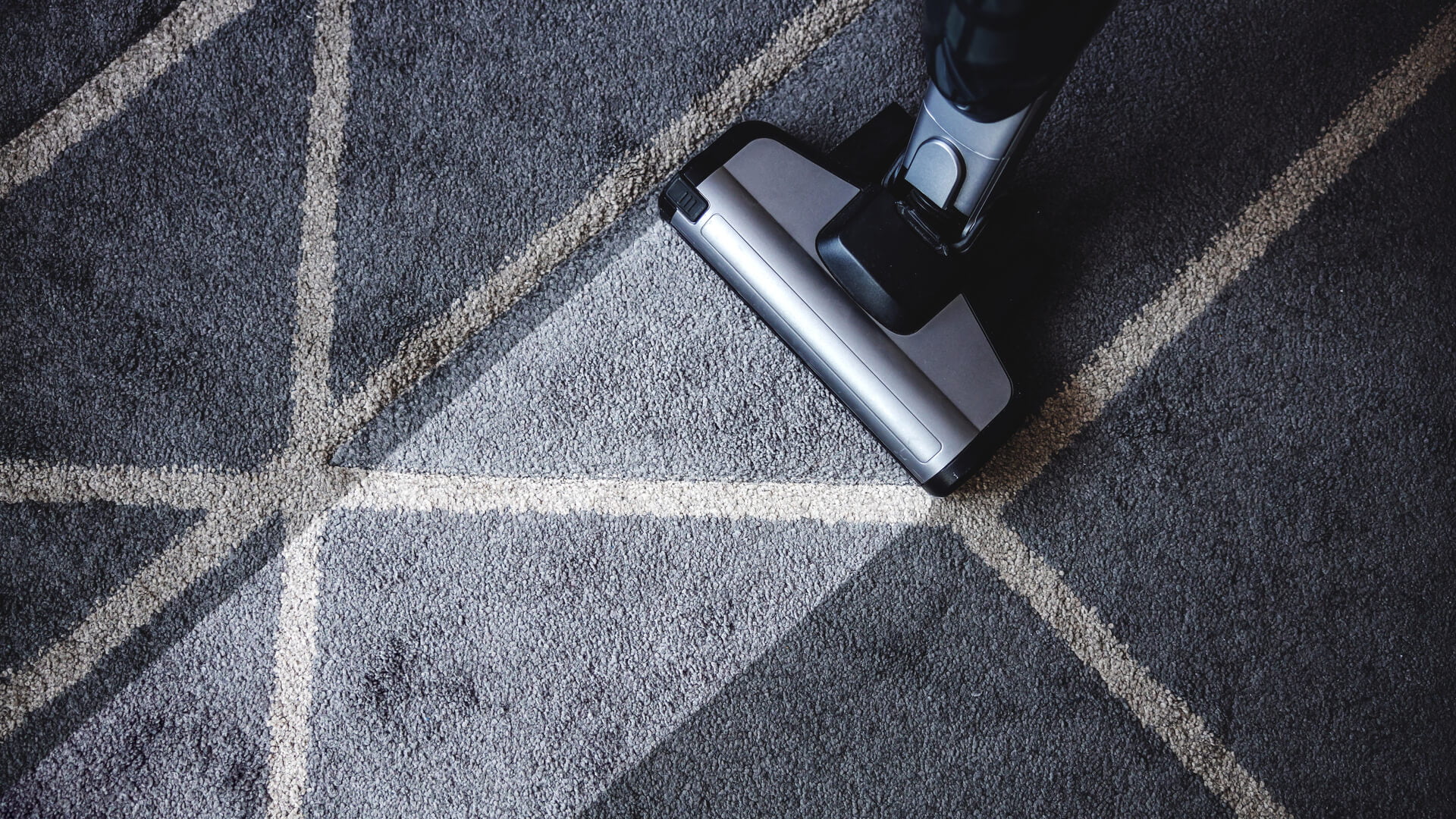
We’ve all been there. You vacuum the living room, empty the canister, and feel that little burst of satisfaction. The carpet looks cleaner. But then you walk across it barefoot later that night and feel that faint, gritty texture under your toes. Or your dog curls up in their favorite spot, and that familiar musty smell drifts up. That’s the moment you realize your vacuum has been keeping a secret from you. It’s only handling the surface stuff.
Think of your carpet like an iceberg. The visible tip is the crumbs, pet hair, and dust bunnies you see every day. But the real mass—the deep-down grime—is hidden below the surface. That’s the soil, ground-in dirt, allergens, and mysterious spills that have taken up permanent residence deep in the carpet fibers and their backing. Your standard vacuum simply isn’t built for that kind of deep-seated excavation. So, let’s have a real talk about what’s actually happening in your carpets and why that quick pass with the vacuum is basically just a polite dusting.
Key Takeaways
- Vacuuming removes only about 20% of total carpet soil, mostly loose surface debris.
- Deep soil—oily residues, gritty sand, and liquid stains—requires hot water extraction to remove.
- Regular professional cleaning every 12–18 months extends carpet life and improves indoor air quality.
- Rental machines lack the heat and suction power needed for a true deep clean.
- Different rug materials (wool, silk, viscose) require specialized handling.
The Carpet Soil Pyramid: A Tale of Two Layers
To understand why vacuuming alone fails, we need to visualize the enemy. We like to call it the Carpet Soil Pyramid.
The Stuff Your Vacuum Actually Gets (The Tip of the Iceberg)
This is the surface soil. It’s the crowd you see coming and going. Loose debris like crushed goldfish crackers, pet hair, and dust bunnies the size of actual bunnies. Then there’s the dry particulate—fine, dry dust that settles from the air. Your vacuum’s suction is perfect for this. It’s its job, and for the most part, it does it well. But this is only about 20% of the total soil in your carpet.
The Deep Down Dirt That’s Mooching Off You (The Base of the Pyramid)
This is the soil that has settled in, put its feet up on the furniture, and is refusing to leave. Your vacuum might as well wave a white flag at this point. We’re talking about oily, sticky residues from cooking fumes, air pollution, and our own skin cells and body oils. These act like glue, trapping other dirt particles deep within the carpet. Then there’s the gritty, abrasive particles—tiny fragments of sand, soil, and minerals that get tracked in. They don’t just sit there; they actively slice and dice your carpet fibers from the inside out, causing premature wear and a dull appearance. And finally, the liquid-borne stains and odors. The classic offenders: a spilled glass of wine, the dreaded dog urine smell, tracked-in mud. These soak deep down, and when you just wipe the surface, you’re often just pushing the problem deeper.
Here’s a quick table to break down this two-tiered system:
| Soil Layer | What It Is | Can Your Vacuum Remove It? | The Real Impact |
|---|---|---|---|
| Surface Soil | Dry debris, pet hair, surface dust | Yes, mostly. | Makes the carpet look dirty and contributes to surface-level allergens. |
| Deep Soil | Oily residues, gritty sand, liquid stains, embedded odors | Absolutely not. | Causes permanent damage, dulling, wear, and that “my carpet never feels clean” feeling. |
See the problem? You’re fighting a battle on two fronts, and your vacuum is only equipped for one. It’s like trying to clean a greasy pan with just a paper towel. You’ll get the big chunks, but the real grease remains.
The Dynamic Duo Your Carpet Actually Needs
So, if vacuuming isn’t the whole solution, what is? It’s a simple one-two punch that we swear by at Gils Carpet Buster.
Step One: The Mighty Vacuum (It’s Still Important!)
Don’t get us wrong, we’re not throwing your vacuum under the bus. Regular vacuuming is non-negotiable. It’s the first and most critical line of defense. By removing the surface soil, you’re preventing it from being ground down into the deeper layers. Think of it as daily maintenance. The more you vacuum, the less food you’re giving that deep-soil monster. A good rule of thumb is to vacuum high-traffic areas twice a week and less-used rooms once a week. This alone can extend the time between professional cleanings.
Step Two: The Professional Deep Clean (The Real Hero)
This is where the magic happens. A professional deep clean from a carpet cleaning service like ours doesn’t just skim the surface. It’s designed to do what your vacuum can’t. First, we use tools to gently agitate the fibers, loosening that cemented-on grime. Then comes hot water extraction—the gold standard. We inject a hot, cleaning solution deep into the carpet and then immediately powerful-suction it back out, bringing the deep soil with it. Got a dog urine smell that haunts your dreams? We use enzymatic cleaners that break down the urine crystals at a molecular level. A standard cleaner just masks it. Ever wondered why your beige carpet now looks vaguely muddy, no matter how much you vacuum? It’s that base-of-the-pyramid grit and oil. Only a deep clean can evict those tenants.
“But I Rented a Machine from the Grocery Store!”
Ah, the grocery store rug doctor. We’ve all been tempted by that affordable upfront cost. IMO, those machines are well-intentioned but ultimately disappointing. Here’s the honest comparison from our perspective.
Power and Heat: The One-Two Punch You’re Missing
Those rental units are essentially a wet vac with a shampoo attachment. They spray lukewarm water and have relatively weak suction. Our truck-mounted systems heat water to a much higher temperature (which breaks down oils better) and have a vacuum power so strong it would probably suck the pattern off your Persian rug if we weren’t careful. The result? We put more cleaning power in and, more importantly, pull more dirty water out. A rental machine often leaves your carpet too wet, which can lead to mold and mildew. Not exactly the “clean” you were going for, right?
The Knowledge Gap: Not All Rugs are Created Equal
This is a big one. Would you wash a silk rug the same way you’d wash a sturdy office carpet? We hope not! A viscose rug can be completely ruined with the wrong cleaning method, turning it into a sad, stiff mess. Wool rugs and cotton rugs have their own specific needs. When you call a professional carpet cleaning company, you’re not just renting a machine; you’re hiring expertise. At Gils Carpet Buster, we know how to handle delicate fibers, treat stubborn stains, and ensure your investment is protected. Trying to save a few bucks on a rental could lead to a very, very expensive rug replacement. FYI.
Beyond the Living Room Carpet: Where Else Do You Need This Power?
This principle of deep cleaning versus surface cleaning applies to more than just your wall-to-wall carpet.
Your Furniture is a Secret Dirt Magnet
Think about it. Your couch cleaning needs are similar to your carpet’s. It absorbs spills, body oils, and dust. Vacuuming the cushions helps, but a professional deep clean is the only way to pull out the ground-in dirt and revive the fabric. The same goes for your favorite armchair. We’ve seen sofas that looked fine on the surface but released a shocking amount of dark, murky water during extraction. It’s the kind of thing you don’t realize you need until you see the proof.
When Disaster Strikes: Water Damage and Commercial Spaces
For water damage restoration, speed and power are everything. You need industrial-grade equipment to extract hundreds of gallons of water and thoroughly dry the structure to prevent mold. This is far beyond a wet/dry vac. And for our business owners, commercial carpet cleaning is a whole different ballgame. The daily traffic in an office or store requires a heavy-duty, regular deep cleaning schedule to maintain a professional appearance and a healthy environment for employees. It’s not a luxury; it’s a necessity.
Common Mistakes Customers Make
Over the years, we’ve seen a few recurring mistakes that homeowners make when trying to maintain their carpets. One of the biggest is over-wetting. People think more water means a cleaner carpet, but it actually leads to longer drying times and potential mold growth. Another is using the wrong cleaning products. That store-bought stain remover might seem effective, but it can leave a sticky residue that attracts more dirt. And then there’s the classic mistake of scrubbing a stain vigorously. This only pushes the stain deeper into the fibers and damages the carpet pile. Blotting is always better than scrubbing.
Your Carpet Cleaning Questions, Answered!
We hear these all the time from folks in Nassau County. Let’s clear a few things up.
How often should I really get my carpets professionally cleaned?
Most experts recommend every 12 to 18 months. But if you have pets, kids, or a high-traffic home (or you just love walking around in white socks), you might want to bump that up to every 6–12 months. It’s the best way to protect your investment and keep your home’s air clean. Think about it: your carpet acts as a filter for your entire home, trapping dust, pollen, and other allergens. Over time, that filter gets clogged. Professional cleaning restores it.
Is professional cleaning worth the price?
Let’s reframe that. What’s the cost of replacing all the carpet in your Wantagh home? Or the price of a new sofa? Professional cleaning extends the life of your soft furnishings dramatically. When you weigh the affordable fee of a cleaning against the thousands of dollars in replacement costs, it’s a no-brainer. It’s not an expense; it’s preventative maintenance. We’ve seen carpets that were on the verge of being replaced come back to life with a single deep clean.
How do I find the best carpet cleaner near me?
Don’t just pick the first Google result for “carpet cleaners near me.” Look for a company with great reviews, clear communication, and a willingness to explain their process. Ask if they offer a free, no-obligation estimate. A trustworthy company, like ours here in Bellmore, will be transparent about their methods and price before they start any work. Also, check if they’re certified by the Institute of Inspection, Cleaning and Restoration Certification (IICRC). That’s a good sign they know what they’re doing. You can learn more about industry standards from the Wikipedia page on carpet cleaning if you’re curious about the science behind it.
When should you just replace the carpet instead of cleaning it?
This is a fair question. Sometimes, cleaning isn’t the answer. If your carpet is more than 10–15 years old, has significant fraying or bald spots, or has been through multiple severe water damage events, replacement might be more cost-effective. Also, if you have persistent mold or mildew issues that cleaning can’t fully resolve, it’s time to start fresh. A good cleaner will be honest with you about this. We’ve actually advised customers to save their money and replace rather than clean a carpet that was beyond saving.
Let’s Get Your Carpets Feeling Brand New Again
Look, we love a good vacuum. It’s a vital tool. But it’s time we all acknowledged its limitations. Your carpets are a huge investment in your home’s comfort and style. They deserve more than just a surface-level relationship with a cleaning appliance.
If you’re in Long Island, from Smithtown to Wantagh, and you’re tired of that gritty feeling underfoot or you’re finally ready to tackle that mysterious stain, give us a call at Gils Carpet Buster. We’re not just another carpet cleaning service; we’re your local partners in the fight against deep-down dirt. We’ll show you what a true deep clean can do, making your home look, feel, and smell fresher than you thought possible. After all, shouldn’t your carpet be a cozy retreat, not a secret dirt repository?

