
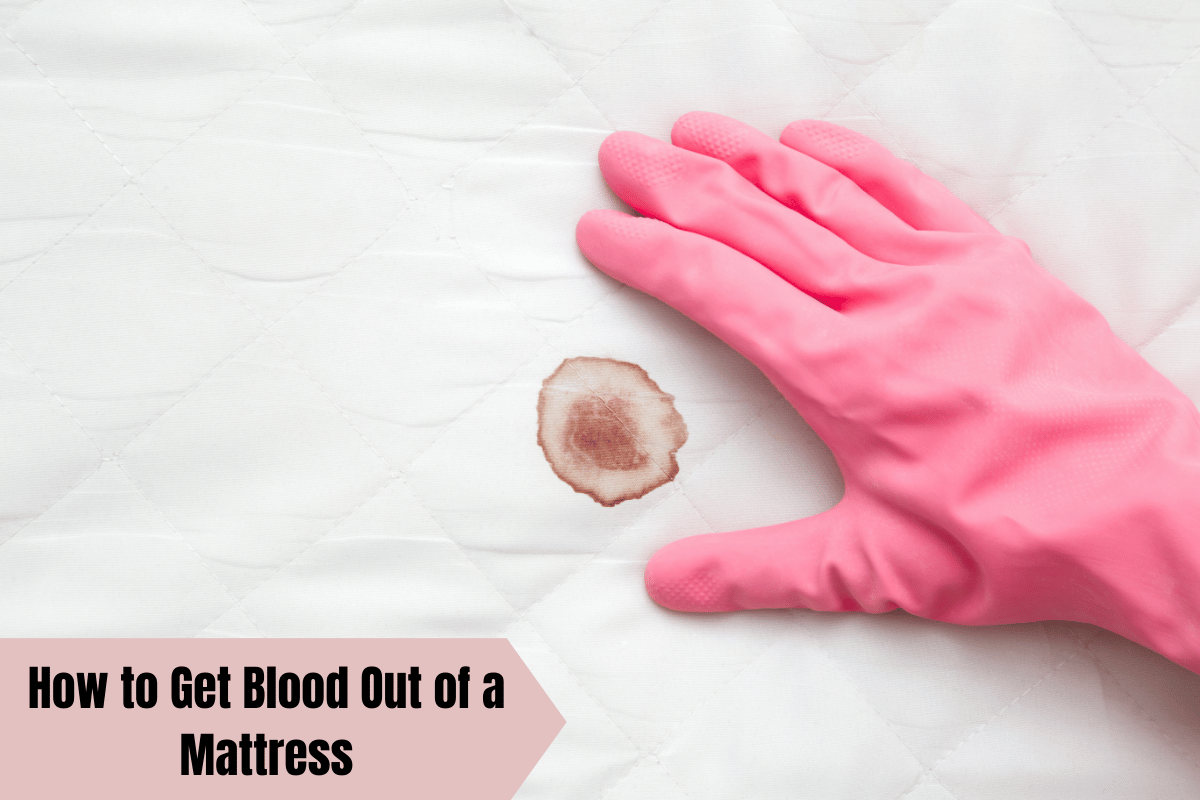
We’ve all been there. That moment when you pull back the sheets and see a bloodstain on the mattress. Maybe it’s from a nosebleed in the middle of the night, a scraped knee, or something as routine as a period leak. Your first instinct might be panic. Your second is usually to grab the nearest wet cloth and start scrubbing. Don’t. That’s how you turn a small problem into a permanent one.
Here’s the thing: blood is one of the trickiest things to get out of a mattress, but it’s far from impossible. The key isn’t elbow grease—it’s knowing how the stain behaves and using the right approach for the situation. We’ve cleaned hundreds of mattresses over the years, and we’ve seen every variation of this problem. Some methods work beautifully. Others just make things worse.
Key Takeaways
- Cold water is your best friend. Hot water sets the stain permanently.
- Blot, never rub. Rubbing pushes blood deeper into the foam and fibers.
- Hydrogen peroxide breaks down dried blood effectively, but test it first.
- If the stain is old or large, professional cleaning is often the smarter move.
- A mattress protector is the cheapest insurance you’ll ever buy.
Why Blood is So Stubborn (and Why Heat is the Enemy)
Blood contains hemoglobin, a protein that clots when it hits air. Once it dries, it bonds to fabric fibers in a way that water alone can’t undo. That’s why fresh stains are easier—the protein hasn’t fully set yet.
The biggest mistake we see? Someone grabs hot water thinking it’ll help lift the stain. It won’t. Heat cooks the protein into the fibers. Think of it like egg whites hitting a hot pan. Once that bond forms, it’s almost impossible to reverse without harsh chemicals that can damage the mattress.
So rule number one: cold water only. Always.
What You Actually Need (You Probably Have Most of This)
You don’t need a fancy cleaning kit. Here’s what we keep on hand for these jobs:
- Cold water
- White vinegar
- Hydrogen peroxide (3% solution)
- Baking soda
- Liquid dish soap (Dawn works well)
- Table salt
- Clean white cloths or paper towels
- A spray bottle
- A vacuum with an upholstery attachment
Avoid colored cloths—the dye can transfer and make the problem worse. Stick with white.
Fresh Blood Stains: The Window is Small
If the stain is still wet or less than a few hours old, you’ve got a good chance of removing it completely with minimal effort.
Step-by-step for fresh stains
First, blot. Take a clean cloth and press down firmly on the stain. Don’t wipe or scrub. Just press and lift. You want to absorb as much of the blood as possible before it dries.
Next, spray the area lightly with cold water. Not so much that the mattress gets soaked—just enough to dilute the remaining blood. Blot again with a fresh cloth. Repeat this process until the stain starts to fade.
If the stain is still visible after a few rounds, mix a paste of baking soda and cold water. Apply it to the stain and let it sit for 20–30 minutes. The baking soda will draw out moisture and help break down the remaining blood. After that, blot the paste away with a damp cloth. Vacuum the area once it’s dry to remove any residue.
This method works well for small stains. For larger ones, you might need to repeat the process or move on to stronger solutions.
Dried Blood Stains: A Different Game
Dried blood is harder, but not hopeless. The trick is to rehydrate the stain so the protein loosens enough to lift out.
Hydrogen peroxide and dish soap
Mix one part hydrogen peroxide with two parts cold water and a small squirt of liquid dish soap. Apply this mixture to the stain using a cloth or spray bottle. Let it sit for about 10 minutes. You should see the stain start to bubble slightly—that’s the peroxide breaking down the blood.
Blot the area gently. Don’t rub. Repeat if necessary.
Salt scrub
If the stain is still hanging around, sprinkle a generous layer of salt over the area. Let it sit for 5 minutes, then gently scrub with a damp cloth. The salt acts as a mild abrasive that helps lift the stain without damaging the mattress fibers.
Vinegar rinse
Finish by spraying the area with white vinegar. This neutralizes any remaining blood residue and helps prevent odors. Blot dry with a towel, then let the mattress air out completely before putting sheets back on.
When DIY Stops Making Sense
There are situations where no amount of home remedies will work. If the stain is large, old, or has been heat-set (someone already used hot water or a hairdryer), you’re probably better off calling a professional.
We’ve seen mattresses where people tried bleach, which is a terrible idea. Bleach weakens fabric fibers and leaves permanent yellow splotches. It also creates a chemical reaction with blood that can make the stain worse.
Another scenario: the stain has soaked deep into the mattress core. Surface cleaning won’t reach it. Professional equipment uses hot water extraction and specialized enzymes that break down organic matter at a deeper level.
If you’re in Long Island and dealing with a stubborn stain that won’t budge, Gils Carpet Buster has the tools and experience to handle it. We’ve cleaned everything from small spots to full mattress restoration jobs. Sometimes it’s worth letting someone else deal with the mess.
Common Mistakes We See (and What to Do Instead)
Using hot water. We’ve already covered this, but it bears repeating. Hot water sets the stain. Cold water is the only option.
Scrubbing aggressively. People think friction helps. It doesn’t. It pushes the blood deeper into the foam and can damage the mattress surface. Blotting is slower but more effective.
Letting the stain dry before treating it. The longer you wait, the harder it gets. If you can’t treat it immediately, at least blot it with cold water and let it air dry. That buys you time.
Using bleach. Just don’t. Hydrogen peroxide is a safer alternative that works similarly without the damage.
A Quick Comparison of Cleaning Methods
| Method | Best For | Key Ingredient | Time Required | Risk Level |
|---|---|---|---|---|
| Cold water blotting | Fresh stains | Water | 5–10 minutes | Very low |
| Baking soda paste | Light stains | Baking soda | 30 minutes | Very low |
| Hydrogen peroxide mix | Dried stains | Peroxide + soap | 10–15 minutes | Low (test first) |
| Salt scrub | Stubborn residue | Table salt | 10 minutes | Low |
| Professional cleaning | Large or old stains | Enzyme cleaners | Varies | None |
Each method has its place. Fresh stains rarely need more than water and baking soda. Dried stains usually require peroxide. If you’ve tried two methods and the stain is still visible, it’s time to consider professional help.
What About Mattress Protectors?
This is the one piece of advice we wish everyone would follow. A good mattress protector costs around $30–$60. It’s waterproof, breathable, and saves you from dealing with stains entirely.
We’ve seen mattresses that were completely ruined because someone didn’t use a protector. Blood, sweat, spills—it all seeps in and creates a breeding ground for bacteria and odors. A protector doesn’t just keep the mattress clean; it extends its life.
If you don’t have one, get one. It’s the cheapest investment you’ll make in your sleep quality.
When the Advice Doesn’t Apply
Not every stain can be saved. If the mattress is old, heavily soiled, or has structural damage, cleaning might not be worth the effort. Sometimes replacement is the smarter option.
Also, if the blood is from a medical situation—surgery, injury, or illness—consider the hygiene risks. Blood can carry pathogens. If you’re unsure about safe handling, wear gloves and avoid direct contact. Professional cleaners are trained to handle biohazards safely.
The Bottom Line
Blood on a mattress is unsettling, but it’s not a disaster. Act fast, use cold water, and blot instead of scrubbing. For dried stains, hydrogen peroxide is your best bet. And if the job feels too big or the stain is too stubborn, there’s no shame in calling a professional.
We’ve been doing this long enough to know that some stains are just beyond what household supplies can handle. That’s not a failure—it’s a sign that the problem needs a different approach. Whether you handle it yourself or bring in help, the goal is the same: a clean mattress you can sleep on without thinking twice.
Now go ahead and make the bed. You’ve earned it.

