
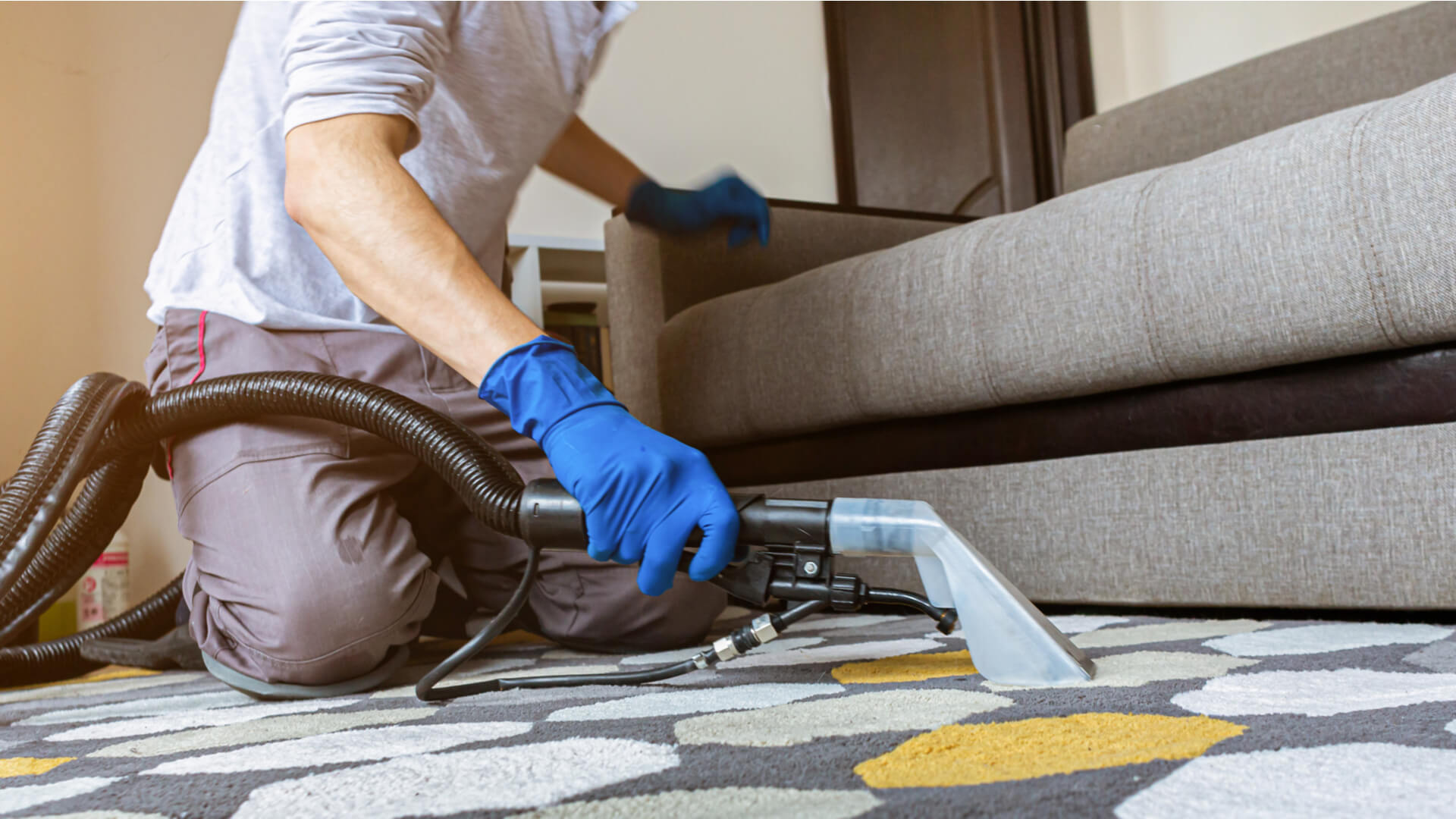
We’ve all got that one stretch of hallway. The one where the morning commute involves a backpack, a coffee mug, and a dog who refuses to move. The runner there takes the brunt of it. Dirt, mud, the occasional mystery spill—it all gets ground in before you’ve even had your first sip of caffeine. Over time, that once-vibrant runner starts looking tired. Maybe even a little sad. The good news? You don’t have to live with it. And you don’t have to replace it either.
Key Takeaways
- Daily vacuuming and doormats cut the grime load by a huge margin, but deep cleaning is inevitable.
- DIY works for synthetic and cotton runners, but delicate fibers like silk or wool require professional handling.
- Professional cleaning extends the life of your runner significantly, often making it more affordable than replacement.
- Water damage and pet odors are two scenarios where calling in help early saves you from bigger headaches later.
Why Your Hallway Runner Looks Like a Dirt Magnet
Hallway runners sit in a unique spot. They’re not quite a rug, not quite wall-to-wall carpet. They get walked on from every angle. Unlike a living room carpet that only sees traffic in one direction, a runner gets hit from both ends and the sides. That constant friction wears down the fibers faster, and it pushes dirt deeper into the pile. If you live in an older home in Nassau County, you’ve probably noticed the edges fraying first. That’s not a defect—it’s physics.
The climate here doesn’t help either. Wet shoes from rain, salt from winter sidewalks, and the fine grit that blows in from the streets all settle into the runner. Over time, that grit acts like sandpaper. Every step grinds it deeper. That’s why a runner that looked fine six months ago now looks like it’s been through a war.
The Daily Defense That Actually Works
Let’s talk about the basics first. You can’t deep-clean your way out of a problem if you’re not preventing some of the mess upfront. The single most effective thing we’ve seen is a good doormat strategy. Put a heavy-duty scraper mat outside every entrance, and a softer absorbent mat inside. That combo alone can cut the dirt tracked onto your runner by 80%. It sounds simple because it is.
A shoes-off policy is the next step. We know it’s not always practical, especially with kids or guests, but even a “no shoes beyond the mat” rule helps. The difference in how long a runner stays clean is night and day.
Daily vacuuming matters too. You don’t need a fancy machine—just one with strong suction and a brush roll. Focus on the first few feet of the runner where people step in. That’s where the heaviest soil lives. Once a week, use the crevice tool along the edges. Dirt loves to hide there, and it’s usually the first place you’ll see fading.
When Vacuuming Isn’t Enough
No matter how diligent you are, dirt builds up. It’s not a failure of your routine—it’s just physics. Eventually, that runner needs a reset. The question is whether you do it yourself or bring in help.
DIY Deep Cleaning: What Works and What Doesn’t
If your runner is synthetic, cotton, or a low-pile blend, you can absolutely clean it yourself. We’ve done it plenty of times. The process is straightforward, but it takes some elbow grease.
Start by taking the runner outside if you can. Hang it over a railing or lay it flat on a clean surface. Beat it with a broom handle or a carpet beater. You’ll be shocked at how much dust comes out. Wear a mask—trust us on that.
Vacuum both sides thoroughly. Most people skip the back, but that’s where a lot of the grit settles. Flip it, vacuum, flip it back.
Spot test any cleaner you plan to use. Pick an inconspicuous corner and wait a few minutes. Some dyes are more sensitive than others, and the last thing you want is a bleach spot in the middle of your hallway.
For a general clean, a carpet cleaner machine works well if the rug label says it’s safe. Use only the recommended amount of cleaning solution—more isn’t better. It just leaves residue that attracts more dirt. Avoid soaking the runner. Wet it enough to agitate the dirt, then extract as much water as possible. Hang it to dry completely. Mold in a damp runner is a nightmare you don’t want to deal with.
The Stain That Won’t Quit
Some stains laugh at DIY efforts. Pet urine is the most common one we see. If you catch it fresh, blot it immediately with a mix of white vinegar and water (one to one), then follow up with an enzyme cleaner. Enzymes break down the proteins in urine. Without them, the smell can linger for years.
Mud is another tricky one. Let it dry completely before you touch it. Scraping wet mud just pushes it deeper into the fibers. Once it’s dry, vacuum it up. Repeat if needed.
Grease and oil stains need a different approach. Sprinkle cornstarch or baking soda over the spot, let it sit overnight, then vacuum. The powder absorbs the oil. You might need to repeat this a few times for stubborn spots.
Red wine and beet juice are emergencies. Blot immediately with club soda, then apply a salt paste. Let it sit, then blot again. Never rub—that spreads the stain.
When Professional Help Is the Smarter Move
There’s a point where DIY stops being cost-effective and starts being risky. If your runner is made of silk, viscose, or wool, the margin for error is thin. Silk and viscose are especially tricky. Water stains on these fibers can be permanent if you use the wrong cleaner or too much water. We’ve seen people try to clean a silk runner at home and end up with a faded, blotchy mess that costs more to repair than the original cleaning would have.
Wool is resilient but sensitive to pH. If you use a cleaner that’s too alkaline, the wool can shrink or felt. That’s why professional cleaners use pH-balanced solutions specifically formulated for wool.
Then there’s the equipment. Truck-mounted extraction systems pull more water and dirt out than any home unit. That means faster drying times and less risk of mildew. For a high-traffic runner that gets used daily, fast drying isn’t a luxury—it’s a necessity.
What You’re Really Paying For
When you hire a professional, you’re not just paying for someone to spray and suck. You’re paying for experience. We’ve seen every stain imaginable, from old coffee to mystery spills that look like they belong in a crime scene. We know which chemicals work and which ones will ruin the dye. We also know how to handle the delicate balance of cleaning without overwetting.
| Factor | DIY Cleaning | Professional Cleaning |
|---|---|---|
| Upfront cost | Lower (supplies only) | Higher per visit |
| Effectiveness | Good for light soil and maintenance | Deep cleans, removes allergens, tackles set-in stains |
| Risk for delicate rugs | High (silk, viscose, wool) | Very low (insured, experienced) |
| Time commitment | Several hours of your weekend | We handle it while you relax |
| Best for | Synthetic, low-pile, non-valuable rugs | Delicate, antique, high-value, or heavily soiled rugs |
The math changes when you consider the lifespan of your runner. A well-maintained runner lasts years longer than one that’s neglected. Professional cleaning every 12 to 18 months is a fraction of the cost of replacing a high-quality runner. If you’ve got a Persian or Oriental rug, that math becomes even more clear.
Special Materials, Special Rules
Not all runners are created equal. Here’s what we’ve learned from years of field work.
Wool rugs are workhorses, but they don’t like being soaked. They need gentle cleaning with wool-safe solutions. Overwetting causes felting, which makes the fibers mat down and look dull.
Silk and viscose rugs are the divas of the rug world. Water stains are often permanent if handled wrong. These need dry cleaning or very low-moisture methods. If you have one of these in a high-traffic hallway, we’d recommend professional care from the start.
Cotton rugs are forgiving. They can handle mild detergent and lukewarm water. But they can shrink if you dry them in direct sunlight or high heat. Air drying in the shade is best.
Persian and Oriental rugs are investments. They’re often made with natural dyes that can bleed if exposed to the wrong chemicals. Preserving the structure and the colors requires expertise. We treat these like the artworks they are.
The Commercial Reality
If you’re managing a storefront, office, or restaurant in Long Island, your hallway runner is part of your branding. A grimy runner at the entrance tells customers you don’t pay attention to details. Commercial carpet cleaning isn’t optional—it’s a business expense that pays for itself in first impressions.
We schedule after-hours cleanings for commercial clients across Nassau County. The goal is to get you back in business fast, with minimal disruption. The methods we use are industrial-grade, but the approach is the same: deep extraction, fast drying, and no residue that attracts more dirt.
Water Damage: Act Now or Regret It Later
If your runner gets soaked—from a burst pipe, a spilled aquarium, or a flood—don’t wait. Get it off the floor immediately. The pad underneath will hold moisture, and mold can start growing within 24 to 48 hours. Subfloor damage is even worse.
Professional water damage restoration involves extraction, drying, and sanitization. It’s not a DIY job if the water is contaminated or if the runner is large. We’ve handled plenty of these in Smithtown and Wantagh homes. The key is speed. Delays turn a manageable problem into a costly one.
Why Bother With All This?
A clean runner isn’t just about looks. It’s healthier. Dust mites, allergens, and bacteria thrive in dirty carpet. Regular cleaning reduces those triggers. It also extends the life of the runner. A high-quality runner can last decades if cared for properly. Neglect cuts that lifespan in half.
And let’s be honest—there’s something satisfying about walking down a hallway and seeing a runner that looks fresh. It sets the tone for the whole house.
When It Makes Sense to Call Us
We’re not going to pretend we’re the right choice for every situation. If you’ve got a small synthetic runner that you can toss in the washing machine, go for it. But if your runner is an heirloom, a costly investment, or you’re staring down a stain that’s been there for months, it’s worth getting a professional opinion.
At Gils Carpet Buster, we’ve been cleaning runners in Long Island for years. We know the local climate, the common problems, and the materials that are popular in older homes here. We use eco-friendly solutions and equipment that gets the job done without leaving residue. If you’re in Wantagh, Bellmore, Smithtown, or anywhere in Nassau County, we can help.
Sometimes the smartest move is to let someone else handle the mess. That’s not a cop-out—it’s experience talking.
Final Thoughts
Your hallway runner takes more abuse than any other textile in your home. It deserves more than a half-hearted vacuum swipe. Whether you’re maintaining it yourself or calling in reinforcements, consistent care makes all the difference. The goal isn’t perfection—it’s making sure that runner lasts as long as it should. And when the job feels too big, there’s no shame in asking for help.
If you’re ready to give your runner a fresh start, we’re here. Just reach out. No pressure, no sales pitch. Just honest work.

