
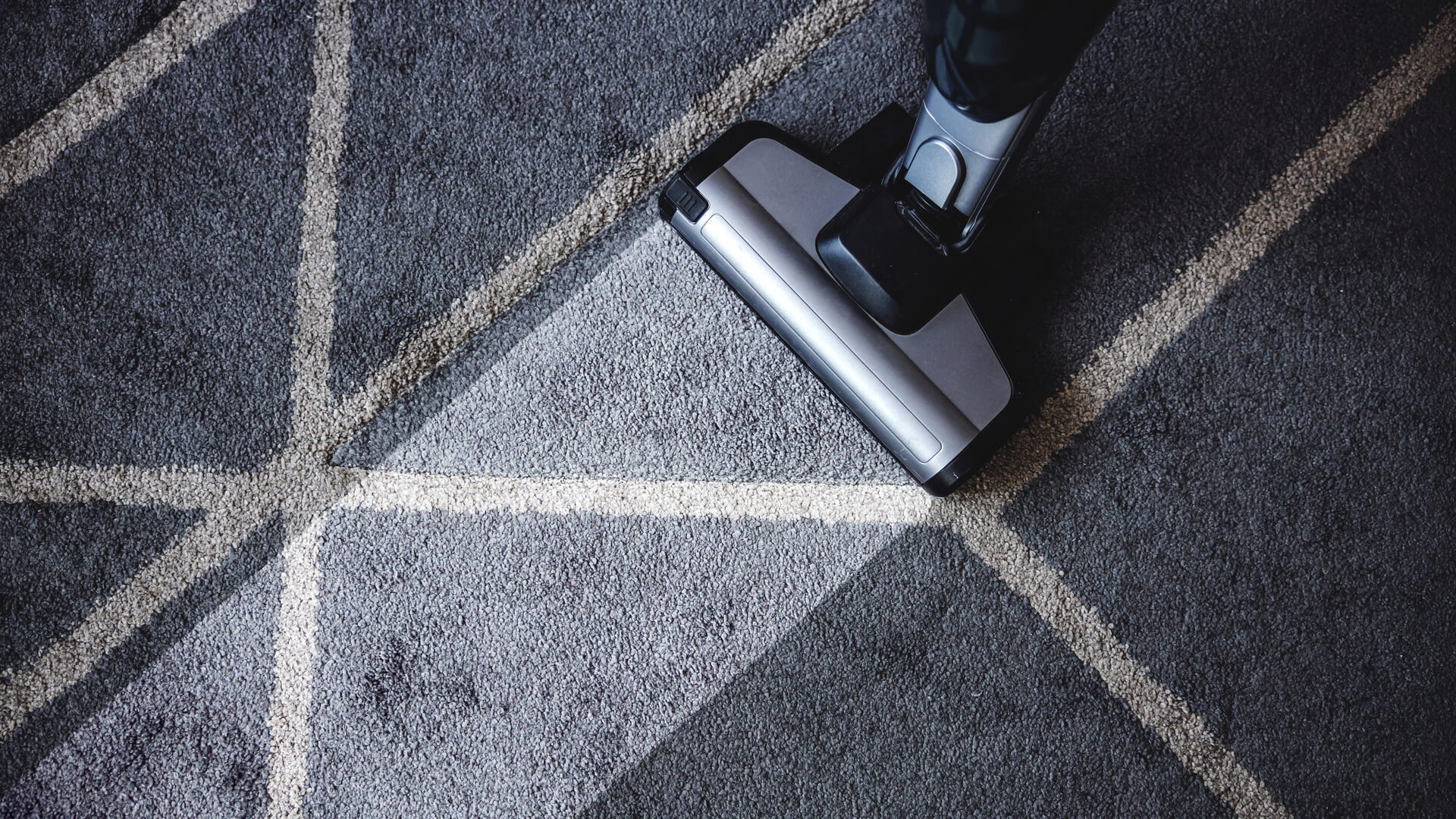
When you are managing a household with young children on Long Island, your floors face daily trials like juice spills, tracked-in mud, and mystery stains. We know that standard maintenance guides often fall short when you have toddlers turning your living room into an obstacle course. As your local experts at Gils Carpet Buster, we are here to clear up the confusion around professional carpet care schedules. If you want to protect your indoor air and extend the lifespan of your flooring, you need a realistic plan.
For most families juggling kids and busy schedules, scheduling a deep cleaning every 6 to 12 months is the ideal baseline. Homes managing multiple children, pets, or family members with severe allergies should step that frequency up to every 3 to 6 months. To understand more about how indoor particle accumulation impacts respiratory wellness, you can review the guidelines provided by the Environmental Protection Agency.
Why Kids Change Your Carpet Maintenance Schedule
Children spend a significant amount of time at ground level, making them directly vulnerable to trapped dust mites, pollen, and microscopic debris. Without routine deep extraction, your flooring acts like a giant air filter holding onto everything tracked indoors.
- Allergen Accumulation: Crawler-stage infants breathe closer to the fibers where settling particles collect.
- Microbial Growth: Everyday playdates and outdoor activities bring in bacteria that settle deep within the backing.
- Fiber Bonding: Organic spills bond quickly with synthetic and natural materials if left untreated, turning minor spots into permanent discoloration.
Recommended Carpet Cleaning Frequencies
Different households require distinct strategies depending on foot traffic and lifestyle factors. Review our breakdown below to see where your home fits.
| Household Type | Recommended Frequency | Primary Focus |
|---|---|---|
| Standard Family Home | Every 6 to 12 months | Controls baseline dirt, everyday dust, and minor food spills. |
| High Traffic with Pets | Every 3 to 6 months | Combats heavy dander, packed soil, and frequent organic accidents. |
| Allergy-Prone Families | Every 3 to 6 months | Reduces trigger elements to keep indoor air clean and breathable. |
| Post-Illness or Major Spill | As soon as possible | Sanitizes localized contamination following stomach bugs or large liquid messes. |
Your Between-Visit Maintenance Strategy
Professional cleanings work best when supported by a solid daily routine. You do not need to call a team every time a cup of juice tips over.
- White Vinegar Solution: Mix equal parts water and white vinegar in a spray bottle to treat routine organic spots naturally.
- Baking Soda Treatment: Sprinkle baking soda over heavy traffic zones, let it sit for thirty minutes, and vacuum thoroughly to neutralize lingering odors.
- Blotting Technique: Always blot liquid spills with a clean, white cloth. Never scrub the area, as friction pushes the liquid deeper into the backing.
- Enzyme Cleaners: Use specialized enzyme formulas to break down protein-based messes like formula, milk, or pet accidents at a molecular level.
If you want to read more about maintaining textile durability and fiber safety standards, check out the resources provided by the Library of Congress preservation guides.
Professional Extraction Versus DIY Rentals
Many homeowners consider renting grocery store machines to save money. However, consumer rentals often leave behind a sticky detergent residue that acts as a magnet for new dirt.
- High-Powered Extraction: Professional truck-mounted systems use high heat and intense suction to pull moisture and dissolved soil entirely out of the pad.
- Residue Prevention: True professional rinses leave fibers soft and clean without soapy films that accelerate re-soiling.
- Specialized Rug Care: Delicate items like wool or synthetic area rugs require tailored pH-balanced treatments to prevent shrinkage or color bleeding.
Frequently Asked Questions
How long do I need to keep kids and pets off the carpet after cleaning?
You should keep family members off the damp areas until the flooring is completely dry. With our advanced equipment, drying usually takes between 4 to 6 hours, but we recommend waiting 8 to 12 hours to ensure absolute safety. We frequently use specialized air movers to accelerate this evaporation timeline before we pack up our gear.
Can old, set-in stains be completely removed?
We achieve a very high success rate with stubborn spots, though absolute removal depends on whether the fiber has experienced permanent dye loss or structural damage. Our industrial solutions and hot water extraction methods regularly lift marks that have sat undisturbed for years.
Are your cleaning solutions safe for toddlers and pets?
Safety is our top priority for every home we service across Long Island. We rely on eco-friendly, non-toxic formulations that eliminate heavy grime without introducing harsh chemical residues into your living space.

