
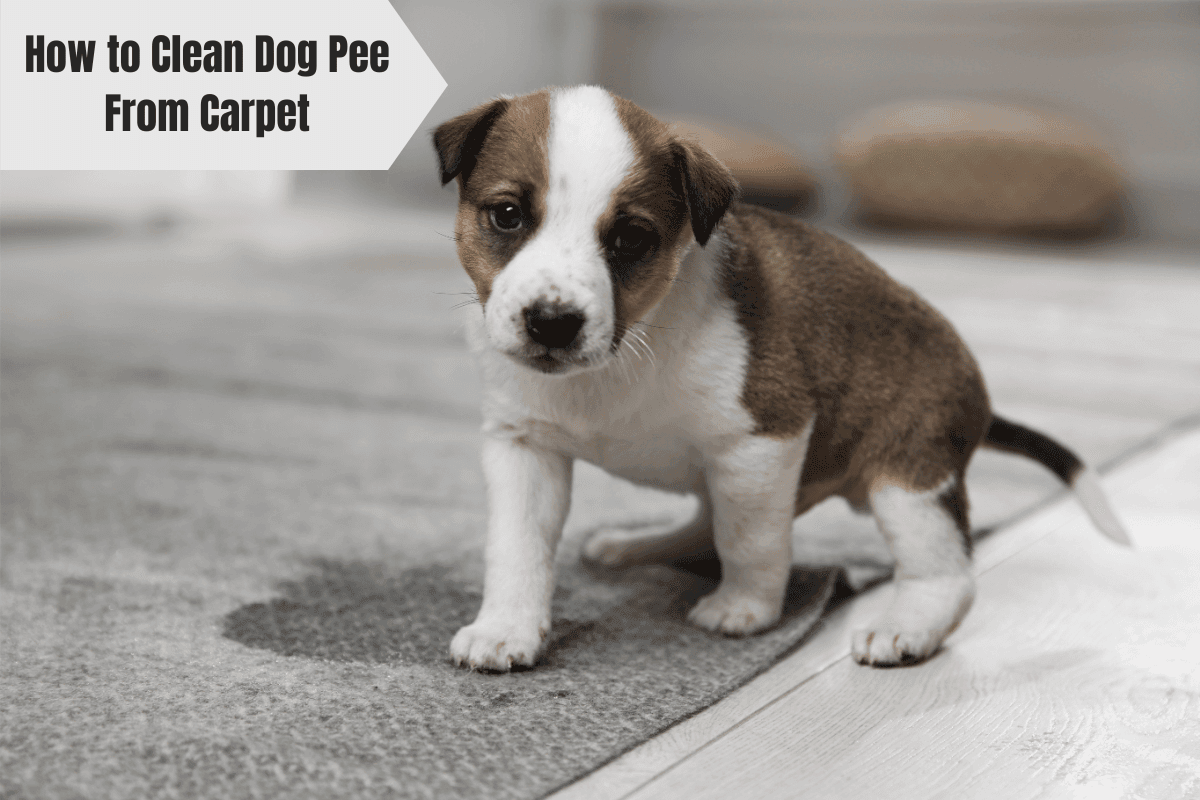
You’re standing over a wet spot on the carpet, and the smell hits you before your brain even finishes processing what happened. It’s dog pee. Again. Maybe it’s the puppy who doesn’t quite get the doorbell concept yet, or the senior dog whose bladder control is fading faster than we’d like to admit. Either way, that stain is now your problem, and the clock is ticking.
Here’s the thing most people get wrong: they treat dog urine like any other spill. It’s not. Urine contains uric acid, ammonia, and bacteria that bond with carpet fibers in ways coffee or wine never will. If you grab the wrong cleaner or scrub too aggressively, you’re essentially setting the stain and smell deeper into the padding. We’ve seen it happen dozens of times on Long Island, where humidity and older homes with wall-to-wall carpet make the problem worse.
Key Takeaways:
- Blot, don’t scrub. Scrubbing pushes urine deeper into the carpet and padding.
- Enzymatic cleaners are the only reliable solution for breaking down uric acid crystals.
- Vinegar and baking soda work for fresh stains but won’t fully eliminate old, set-in odors.
- Black lights help you find hidden spots that smell but aren’t visible.
- Professional cleaning is sometimes the only way to save carpet padding and subfloor.
Why Most DIY Cleaners Fail
Walk into any grocery store and you’ll see a wall of carpet cleaners promising miracles. Most of them are just detergents with fragrance. They mask the smell temporarily, but the uric acid crystals remain. When humidity rises—and trust us, Long Island summers are brutal for this—those crystals rehydrate and the smell comes back stronger than before.
The real enemy here is uric acid. It doesn’t dissolve in water. Standard cleaners can’t break it down. That’s why you can scrub a spot until your arms ache, let it dry, and still catch a whiff two days later.
Enzymatic cleaners work differently. They contain live bacteria or enzymes that literally digest the uric acid, converting it into carbon dioxide and water. No residue. No smell. But they need time to work—usually 10 to 15 minutes of dwell time, sometimes longer for old stains. Most people spray and wipe immediately, which defeats the purpose.
We’ve had customers tell us they tried three different store-bought products before calling us. The carpet looked clean. It smelled clean for about a week. Then the heat kicked on, or a kid spilled water near the spot, and the ammonia smell returned. That’s the uric acid waking up.
The Right Way to Handle Fresh Pee
If you catch it within the first hour, you have a real chance at a complete cleanup. Here’s what we’ve learned from years of doing this in homes across Nassau and Suffolk counties.
Blotting is everything
Grab the most absorbent towels you have—paper towels, microfiber cloths, even an old bath towel. Place a stack over the wet area and press down firmly with your full body weight. Hold for 30 seconds, then lift. Repeat with dry towels until the carpet feels damp but not soaked.
Do not rub. Rubbing spreads the urine sideways into clean carpet fibers and grinds it down into the padding. You’re making the problem larger and deeper.
Cold water only
Hot water sets protein-based stains. Urine contains proteins. Warm or hot water will bond those proteins to the carpet fibers permanently. Rinse the area with cold water after blotting, then blot again to pull up as much moisture as possible.
Apply an enzymatic cleaner
Cover the affected area completely. Don’t skimp. The cleaner needs to reach the padding where urine often pools. Let it sit for the full time listed on the bottle—usually 10 to 15 minutes. If the stain is old, you may need to repeat this process two or three times over several days.
One mistake we see constantly: people use too little product. A light misting won’t penetrate deep enough. You need saturation, not spray.
When Vinegar and Baking Soda Actually Work
Let’s be honest. We’ve all used the vinegar and baking soda trick. It’s cheap, it’s non-toxic, and it neutralizes odors reasonably well. But it has limits.
For fresh urine that hasn’t soaked into the padding yet, a 50/50 mix of white vinegar and cool water works fine. The vinegar’s acidity neutralizes the ammonia. Follow up with a sprinkle of baking soda to absorb leftover moisture and odor, then vacuum once dry.
But here’s the catch: vinegar does not break down uric acid. It only neutralizes surface odors. If the urine has soaked into the carpet padding or subfloor—which happens within minutes on absorbent carpet—vinegar is just a band-aid.
We’ve seen homes where owners used vinegar for months thinking they solved the problem, only to discover the padding underneath was saturated and starting to break down. At that point, the only solution is pulling up the carpet, replacing the padding, and treating the subfloor.
So yes, vinegar works for a quick fix. But it’s not a permanent solution for recurring spots or deep stains.
Finding Hidden Stains Before They Find You
One of the most common complaints we hear: “I can smell it, but I can’t see it.” That’s because urine dries clear. The stain you see is usually just dirt sticking to the residue.
A simple UV black light flashlight will reveal every spot your dog has ever marked. Turn off the lights, scan the carpet slowly, and mark the glowing areas with chalk or tape. You’ll be surprised how many spots show up—especially in corners, under furniture, and along baseboards.
Once you’ve mapped the stains, treat them systematically. Don’t just spot-clean one area and ignore the others. Dogs are creatures of habit. If they smell residual urine anywhere in the room, they’ll keep returning to that spot.
Old Stains Need Aggressive Treatment
Stains that have been sitting for weeks or months require a different approach. The urine has crystallized in the carpet fibers and padding. Surface cleaning won’t touch it.
Hydrogen peroxide mixture
For synthetic carpets (nylon, polyester, olefin), a mixture of 3% hydrogen peroxide, a drop of dish soap, and baking soda can lift old stains. Apply it, let it bubble for 5 to 10 minutes, then blot.
Test an inconspicuous area first. Hydrogen peroxide can bleach or discolor certain carpets, especially darker shades or natural fibers like wool. If you’re unsure, skip this method.
Steam cleaning with enzymatic detergent
A steam cleaner can penetrate deeper than any spray bottle. The heat helps dissolve crystallized urine, and the suction pulls it out of the padding. Use it with an enzymatic cleaner formulated for pet stains, not a general carpet shampoo.
We’ve rented machines from local hardware stores in Suffolk County and they work—but only if you use the right solution and take your time. Rushing the process leaves residue behind, which re-wets and smells later.
When DIY Stops Making Sense
There comes a point where home remedies aren’t enough. Here are the signs we see in homes across Long Island that tell us it’s time to call in a professional:
- The smell returns within days of cleaning
- You’ve treated the same spot three or more times
- The carpet feels damp or spongy in certain areas
- You notice discoloration or staining on the subfloor from below (if you have a basement or crawlspace)
- Your dog keeps returning to the same spot despite cleaning
In older homes—and Long Island has plenty of them from the 1950s and 60s—carpet padding is often thin, old, and highly absorbent. Once urine penetrates the padding, it spreads horizontally under the carpet. You might be cleaning one visible spot while a much larger area underneath is contaminated.
Professional-grade truck-mounted steam cleaners operate at higher temperatures and stronger suction than rental machines. They can extract moisture from deep in the padding and treat the subfloor with antimicrobial solutions. For homes with multiple pets or chronic accidents, this is often the only way to fully reset the carpet.
Gils Carpet Buster has handled this exact situation in countless homes across Long Island. The difference between a DIY attempt and a professional job isn’t just about equipment—it’s about knowing where to look and how to treat the underlying problem rather than just the surface.
Common Mistakes That Make Everything Worse
We’ve seen the same errors repeat themselves. Avoid these:
Using ammonia-based cleaners. Ammonia smells like urine to dogs. You’re basically inviting them to pee there again.
Steam cleaning with heat before removing solids. Heat sets proteins. If you steam clean a fresh stain, you’re baking it into the carpet.
Over-wetting the carpet. Too much liquid saturates the padding and creates a breeding ground for mold and bacteria. Blot, don’t flood.
Ignoring the padding. If the stain is old or the urine was a large volume, the padding is likely contaminated. Surface cleaning won’t fix it.
Assuming visible removal equals odor removal. Just because the stain is gone doesn’t mean the smell is gone. Use your nose or a black light to verify.
Comparing Your Options
| Method | Best For | Limitations | Cost |
|---|---|---|---|
| Enzymatic spray | Fresh to moderately old stains | Needs dwell time; may require multiple applications | $10–$20 per bottle |
| Vinegar & baking soda | Quick surface odor neutralization | Doesn’t break down uric acid; temporary | Under $5 |
| Hydrogen peroxide mix | Old stains on synthetic carpet | Can bleach dark or natural fibers | $5–$10 |
| Rental steam cleaner | Deep cleaning multiple rooms | Weak suction; wrong solution can set stains | $30–$50 per day |
| Professional cleaning | Chronic issues, old stains, padding saturation | Higher upfront cost | $150–$400 depending on area |
Preventing Repeat Offenses
Cleaning the stain is only half the battle. If you don’t address why the dog is peeing there, you’ll be doing this again next week.
Medical issues are common. Urinary tract infections, kidney problems, and age-related incontinence can all cause accidents. If your dog is suddenly having accidents after being reliably trained, a vet visit should come before any cleaning attempt.
Behavioral marking is trickier. Dogs mark for territorial reasons, anxiety, or habit. Enzymatic cleaners help remove the scent trigger, but you may also need to block access to problem areas temporarily, use belly bands for male dogs, or increase outdoor bathroom breaks.
For puppies, patience and consistency matter more than any cleaning product. They will have accidents. The goal is to clean thoroughly enough that they don’t develop a preference for indoor spots.
One Last Thing About Carpet Padding
Most homeowners never think about the padding beneath their carpet. But that’s where the real damage happens. Urine that soaks through to the padding creates a reservoir of odor that wicks back up to the carpet surface whenever the humidity rises.
Replacing carpet padding is messy and expensive. But in cases of chronic urination, it’s often the only solution. If you’ve tried every cleaner on the shelf and the smell still lingers, the padding is likely compromised. A professional can assess whether the carpet itself is salvageable or if replacement is the smarter long-term move.
We’ve walked into homes where the carpet looked fine but the padding was literally crumbling from years of urine exposure. That’s not something any spray bottle can fix.
The Bottom Line
Dog pee on carpet is frustrating, but it’s not hopeless. The key is acting fast, using the right chemistry, and knowing when your efforts are better spent calling someone with industrial equipment. Enzymatic cleaners are your best friend for most situations. Vinegar works in a pinch but won’t solve deep problems. And if the smell keeps coming back, the problem is likely in the padding or subfloor, not the carpet itself.
Living with dogs means accepting some mess. But you don’t have to live with the smell.

