
Removing Red Wine Stains: Step-by-Step Rescue Guide
That moment when the glass tips and the red wine starts spreading across your rug—we’ve all been there, frozen, watching it happen in what feels like slow motion. At Gils Carpet Buster, we’ve walked into hundreds of homes where that initial panic led to some creative but ultimately disastrous stain-fighting attempts. The good news? Most red wine stains are completely removable if you know what you’re doing. The bad news? Almost everything your instinct tells you to do in that first minute is wrong.
Key Takeaways
- Blot immediately—never rub, never scrub
- Cold water only; heat sets the stain permanently
- Common pantry items work better than most store-bought stain removers
- Delicate rugs (silk, viscose, wool) need professional handling
- You have roughly 10 minutes before the stain becomes significantly harder to remove
Why Red Wine Is Such a Stubborn Stain
Red wine contains two compounds that make it particularly aggressive on fabrics: tannins and chromogens. Tannins are the bitter compounds that give wine its structure, and chromogens are the pigments responsible for that deep purple color. Together, they bind to fibers quickly, especially natural ones like wool and cotton.
What most people don’t realize is that water—specifically hot water—acts as a fixative. When you pour hot water on a red wine stain, you’re essentially cooking those tannins into the fiber structure. We’ve seen rugs where someone tried to “flush out” a spill with hot water, only to end up with a permanent purple shadow that no amount of professional treatment could fully reverse.
The chemistry matters here because it dictates what actually works. Salt absorbs moisture and pulls pigments upward. Club soda’s carbonation helps lift particles. Hydrogen peroxide breaks down the molecular structure of the stain. But none of these work if you’ve already heat-set the stain.
The First 10 Minutes: What Actually Works
Time is your only real advantage here. The moment wine hits the rug, a clock starts ticking. Here’s what we’ve learned from watching customers succeed—and fail—in those critical minutes.
Blotting: The Only Safe First Move
Grab anything white and absorbent—paper towels, a clean cloth, even a white t-shirt you don’t mind sacrificing. Press down firmly directly on the stain. You’re not trying to scrub; you’re trying to soak up liquid before it penetrates deeper. Change your blotting material frequently. One pass per section, then move to a clean area.
The rubbing instinct is nearly impossible to suppress, we know. But rubbing spreads the wine outward, creating a larger stain area, and grinds particles deeper into the fibers. We’ve seen quarter-sized spills turn into dinner-plate-sized disasters from aggressive rubbing alone.
Cold Water: Your Second Line of Defense
After you’ve blotted up as much wine as possible, apply a small amount of cold water to the stain—not hot, not warm, cold. Blot again. This dilutes what remains and helps lift it upward. The key word is “small.” You’re not flooding the rug; you’re gently rinsing the stain from the top down.
Salt: The Old Reliable
For fresh spills, plain table salt works surprisingly well. Pour a generous layer directly onto the damp stain—enough to cover it completely. The salt absorbs the wine, pulling it up from the fibers. Let it sit for 10-15 minutes, then vacuum it up. If the stain has lightened significantly, repeat the process. If not, you’ll need something stronger.
Your DIY Stain-Fighting Arsenal
Most effective stain removers are already in your kitchen. But here’s the catch: what works on one rug type can destroy another. We’ve seen beautiful silk rugs ruined by vinegar, and wool rugs discolored by hydrogen peroxide. Always test any solution on a hidden area first.
Baking Soda and Vinegar
This combination works through a chemical reaction—the fizzing action helps lift stain particles. Mix three parts baking soda with one part cold water to form a paste. Apply it to the stain, then spritz with a mixture of equal parts white vinegar and cold water. Let it fizz for 15-30 minutes, then blot with cold water.
The trade-off here is that vinegar is acidic, and prolonged exposure can weaken natural fibers. For wool rugs, we recommend skipping the vinegar and using just the baking soda paste with cold water.
Hydrogen Peroxide Mixture
For white or synthetic rugs, hydrogen peroxide is one of the most effective stain fighters available. Mix one tablespoon of dish soap with two tablespoons of 3% hydrogen peroxide and two tablespoons of baking soda. Apply the mixture, let it bubble for 30-60 minutes, then rinse thoroughly with cold water.
Important warning: Do not use hydrogen peroxide on wool or silk. It can cause yellowing or fiber damage. We learned this the hard way early in our career, and now we warn every customer who asks about it.
Club Soda
Club soda gets more credit than it deserves, honestly. It works for very fresh, light stains because the carbonation helps lift particles. But for set-in stains or heavy spills, it’s rarely enough on its own. The real value of club soda is that it forces you to blot rather than rub, which is already half the battle.
When DIY Stops Working
There comes a point where home remedies stop being effective, and continuing to treat the stain yourself can actually make things worse. Here are the signs that it’s time to call a professional.
Rug Type Matters More Than You Think
Not all rugs are created equal, and some materials simply don’t respond well to DIY treatments.
| Rug Type | Stain Sensitivity | What We Recommend |
|---|---|---|
| Silk Rug | Extremely High | Blot cold water only. Never use vinegar, peroxide, or baking soda. Call a professional immediately. |
| Viscose Rug | Very High | Viscose behaves like silk when wet. Blot gently. DIY treatments often cause permanent damage. |
| Wool Rug | Moderate to High | Avoid strong alkalis. Baking soda paste is usually safe. Cold water blotting first. |
| Cotton Rug | Low to Moderate | Most DIY methods work well. Club soda or baking soda paste are good starting points. |
| Persian Rug | Varies by Dye and Weave | Always test on a hidden area. Many traditional dyes are not colorfast. Professional assessment is safest. |
The Stain Has Set
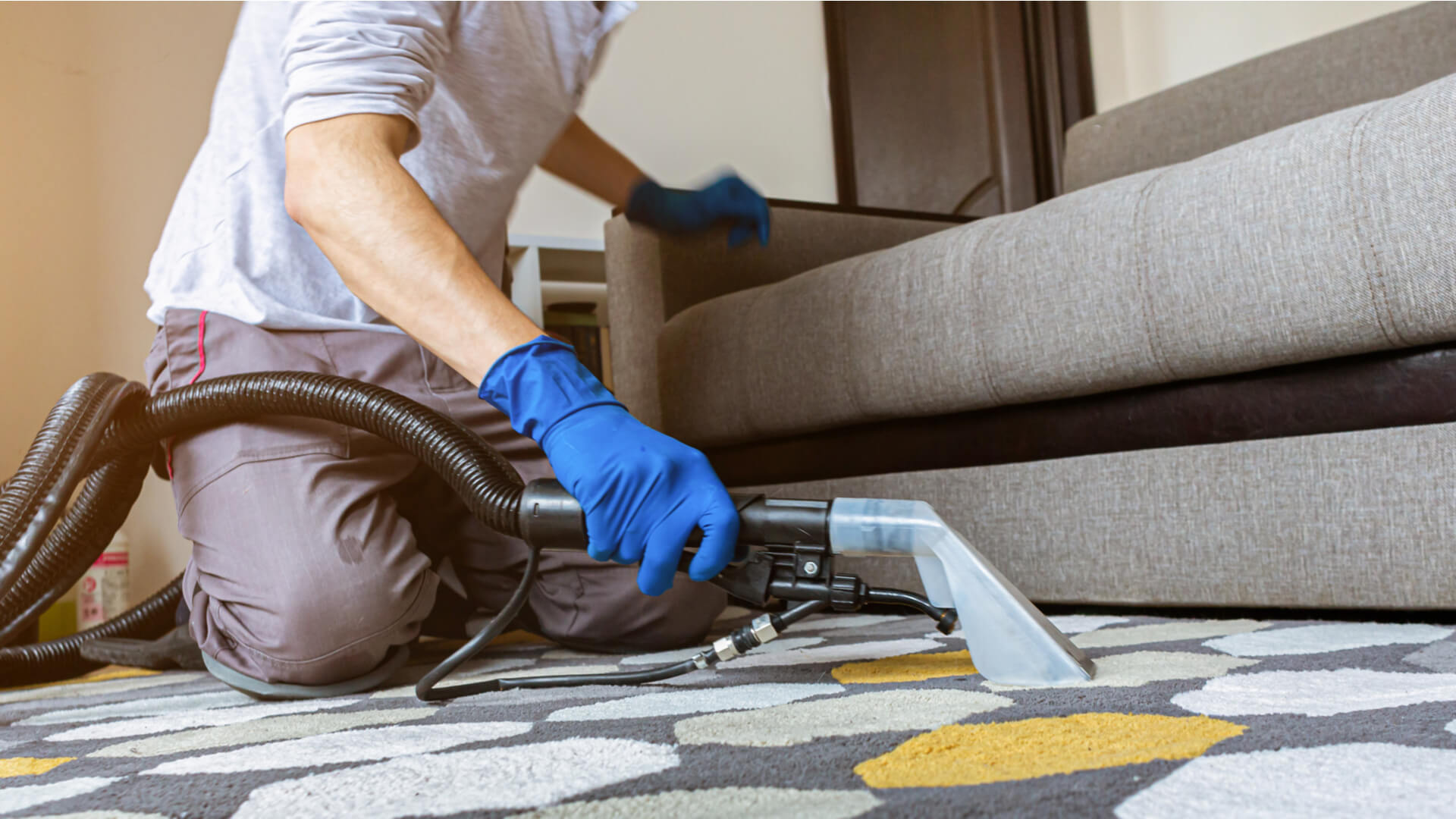
If the spill happened more than a few hours ago, or if you’ve already applied heat, the stain has likely bonded with the fibers. At this point, home remedies rarely work. Professional carpet cleaners use truck-mounted extraction systems that combine hotter water, stronger suction, and specialized cleaning agents that break down tannins at a molecular level.
You’re Dealing With a Heirloom or Valuable Rug
We’ve had customers bring in antique Persian rugs that were damaged by well-meaning DIY attempts. The cost of professional cleaning is a fraction of the cost of replacing or repairing a valuable rug. If your rug has sentimental or monetary value, don’t experiment on it.
At Gils Carpet Buster, we handle everything from delicate silk rugs to heavy-duty commercial carpets. Our truck-mount systems can extract stains that store-bought machines leave behind. And because we’re based right here in Long Island, we understand the specific challenges of local homes—older construction, humidity issues, and the unique soil types that get tracked in from our sandy soil.
Common Mistakes We See Repeatedly
After years of doing this work, certain patterns emerge. Here are the mistakes that come up most often.
Using Heat
This is the single biggest mistake people make. Heat sets stains permanently. We’ve seen customers use steam cleaners, hair dryers, or hot water thinking they’re helping, only to make the stain impossible to remove.
Over-Wetting the Rug
More water doesn’t mean better cleaning. Excessive moisture can seep through to the backing and padding, leading to mold growth, delamination, and lingering odors. When you’re treating a stain, use small amounts of water and blot thoroughly.
Scrubbing Aggressively
We understand the frustration. But aggressive scrubbing damages fiber structure, creating a fuzzy or worn appearance. It also pushes stain particles deeper into the rug. Gentle blotting is always more effective.
Using the Wrong Cleaning Products
Not all carpet cleaners are safe for all rug types. Some contain optical brighteners that leave residue, others have harsh chemicals that strip natural oils from wool. When in doubt, stick with the mildest option and test first.
Beyond Red Wine: Other Stains We Handle
Red wine gets all the attention, but it’s far from the only stain that sends people into a panic. At Gils Carpet Buster, we deal with everything from dog urine odor to mystery spills that have been sitting for weeks. The principles are similar—blot, use cold water, avoid heat—but each stain type requires a slightly different approach.
One thing we’ve learned is that the longer a stain sits, the harder it becomes to remove. That’s why we recommend calling a professional for any stain that doesn’t respond to initial treatment. Waiting only makes the problem worse and more expensive to fix.
When Professional Help Makes More Sense
There’s no shame in calling a professional. In fact, recognizing when you’re out of your depth is the smartest thing you can do for your rug. Here’s when we recommend skipping the DIY approach entirely.
The cost of professional cleaning is often less than the cost of replacing a damaged rug. And when you factor in the time, frustration, and risk of making things worse, professional help starts to look like a bargain.
For homeowners in Long Island, from Wantagh to Smithtown, we’ve seen every type of stain situation imaginable. Our equipment is commercial-grade, our technicians are certified, and we stand behind our work. If you’ve tried everything and that stain is still there, give us a call. Sometimes the smartest move is knowing when to hand off the problem.
Final Thoughts
Red wine stains are stressful, but they don’t have to be permanent. The key is acting quickly, using the right technique, and knowing when to call for backup. Blot, don’t rub. Use cold water, never hot. Test everything on a hidden area first. And if you’re dealing with a delicate rug or a stain that won’t budge, don’t hesitate to bring in the professionals.
We’ve cleaned thousands of rugs over the years, and we can tell you with confidence: most stains come out. The ones that don’t usually failed because of what happened in the first few minutes. So next time a glass of red wine takes a dive, take a breath, grab a white cloth, and start blotting. You’ve got this.
And if you don’t? We’re just a phone call away.

