
We’ve all been there. You walk into the living room, coffee in hand, and there it is—a single loop of Berber carpet standing at attention like a tiny middle finger. One snag. That’s all it takes to turn a beautiful, textured floor into something that looks like it survived a scuffle with a cat. And if you’ve owned Berber for more than a week, you know exactly what we’re talking about.
Here’s the thing most people don’t realize until it’s too late: Berber carpets are built differently. That loop construction that makes them so durable against foot traffic? It’s also their Achilles’ heel. A single pulled loop can unravel a whole row if you’re not careful. And once that happens, you’re not just looking at a cosmetic issue—you’re looking at a potential repair that costs more than you’d expect.
We’ve been inside hundreds of homes across Long Island, from the older colonials in Bellmore to the newer builds in Smithtown, and we’ve seen every Berber disaster imaginable. The good news? Most of them are preventable. And when they’re not, there’s a right way to fix them—and a hundred wrong ways.
Key Takeaways
- Berber carpets snag because of their looped construction, not because they’re low quality.
- The most common causes of damage are pet claws, high heels, furniture legs, and improper cleaning.
- Never pull a snag—trim it flush with the carpet surface using sharp scissors.
- Professional cleaning every 12–18 months extends Berber life significantly.
- Some materials (wool, silk, viscose) require specialized care that DIY methods can ruin.
Why Berber Carpets Snag So Easily (And Why That’s Not Your Fault)
Let’s get one thing straight right now. If your Berber carpet is snagging, it doesn’t mean you bought cheap carpet. It means you bought a carpet with a specific construction that has trade-offs. Berber is a loop-pile carpet, meaning the fibers are woven in continuous loops rather than being cut at the top like a plush or saxony carpet. Those loops are what give Berber its distinctive, nubby texture and its reputation for durability.
But here’s the catch: each loop is essentially a single thread. If that thread gets caught on something sharp—a pet claw, a stiletto heel, the leg of a metal chair—it pulls. And because the loops are interconnected, one pulled loop can cause a run that travels across the carpet like a run in a pair of pantyhose.
The material matters too. Wool Berber is gorgeous but delicate. Nylon Berber is tougher but still vulnerable. And if you’ve got a silk or viscose rug, honestly, you’re basically asking for trouble unless you treat it like a museum piece. We’ve seen silk rugs that cost more than a used car get destroyed by a single vacuum cleaner with a beater bar. It happens.
The Usual Suspects: What Actually Causes Snags
In our experience, the most common culprits are painfully predictable:
- Pet claws. Dogs and cats love to scratch, knead, and dig. Their nails hook into loops and pull them out. We see this in at least half the homes we visit.
- High heels. Even a quick walk across the room can snag a loop. We’ve had customers who banned heels entirely after one incident.
- Furniture legs. Metal legs, especially on dining chairs or desk chairs, are snag factories. Wood legs are better, but not immune.
- Vacuum cleaners with beater bars. This is the silent killer. Many people don’t realize their vacuum is actively damaging their Berber every time they use it. Beater bars spin and slap the carpet, catching loops and pulling them loose over time.
- Children’s toys. Legos, action figures, anything with small, sharp edges. We’ve seen it all.
The Daily Habits That Actually Protect Your Berber
Look, we’re not going to tell you to live in a bubble. Carpets are meant to be walked on. But a few small changes in your daily routine can dramatically reduce the risk of snags and damage.
Shoes Off, No Exceptions
This is the single most effective thing you can do. Gravel, dirt, and debris get trapped in shoe treads and act like sandpaper on carpet fibers. High heels are obvious threats, but even sneakers can have small stones lodged in the sole. Make your home a shoe-free zone. It’s not just about cleanliness—it’s about preserving the integrity of those loops.
Furniture Pads Are Non-Negotiable
We cannot stress this enough. Those little felt pads you stick on the bottom of furniture legs? They cost pennies at the hardware store. A single chair leg without a pad can snag a loop every time someone scoots back from the table. We’ve seen dining rooms where the carpet looks like a war zone around the table because nobody bothered with pads.
Vacuum Smart, Not Hard
If you have Berber, your vacuum cleaner matters more than you think. Use a vacuum with adjustable height settings and turn off the beater bar if possible. Better yet, use a canister vacuum with a soft brush attachment. The goal is to lift dirt without disturbing the loops. We’ve had customers who vacuumed their Berber every week for years, only to realize their vacuum was slowly destroying it.
Rotate Rugs Seasonally
If you have area rugs on top of your Berber, rotate them every three to six months. This distributes wear evenly and prevents one spot from becoming a high-traffic disaster zone. It’s a simple habit that extends the life of both the rug and the carpet underneath.
When Disaster Strikes: How to Handle Snags and Spills
So you’ve found a snag. Don’t panic. Here’s what to do—and what not to do.
The Golden Rule: Do Not Pull
We know it’s tempting. That little loop is sticking up, and your first instinct is to yank it. Resist. Pulling a snag doesn’t fix it—it makes it worse. You’ll pull the loop out of the backing, creating a larger run that’s much harder to repair. Instead, take a pair of small, sharp scissors and trim the loose end flush with the carpet surface. That’s it. The loop will still be visible, but it won’t grow or worsen.
Spills: Blot, Don’t Rub
Spills happen. Wine, coffee, pet accidents—they all land on your carpet eventually. The key is to blot the liquid with a clean, white cloth. Press down firmly to absorb as much as possible, then repeat with a fresh cloth. Rubbing grinds the stain deeper into the fibers and can distort the loops. For pet urine, especially dog urine, the smell can linger if not treated properly. We’ve used enzyme-based cleaners that break down the proteins in urine, but even those require careful application.
When DIY Makes Things Worse
Here’s the honest truth: most store-bought carpet cleaners are too harsh for Berber. They can dissolve the adhesive that holds the loops in place, cause dyes to fade, or leave a residue that attracts more dirt. We’ve seen people use steam cleaners on wool Berber and end up with a shrunk, misshapen mess. If you’ve got a silk rug or a viscose rug, please don’t experiment. Call a professional.
Why Professional Help Saves You Money in the Long Run
We get it. You want to save a few bucks. But here’s what we’ve learned from years of fixing other people’s DIY mistakes: the cheapest option upfront is often the most expensive in the long run.
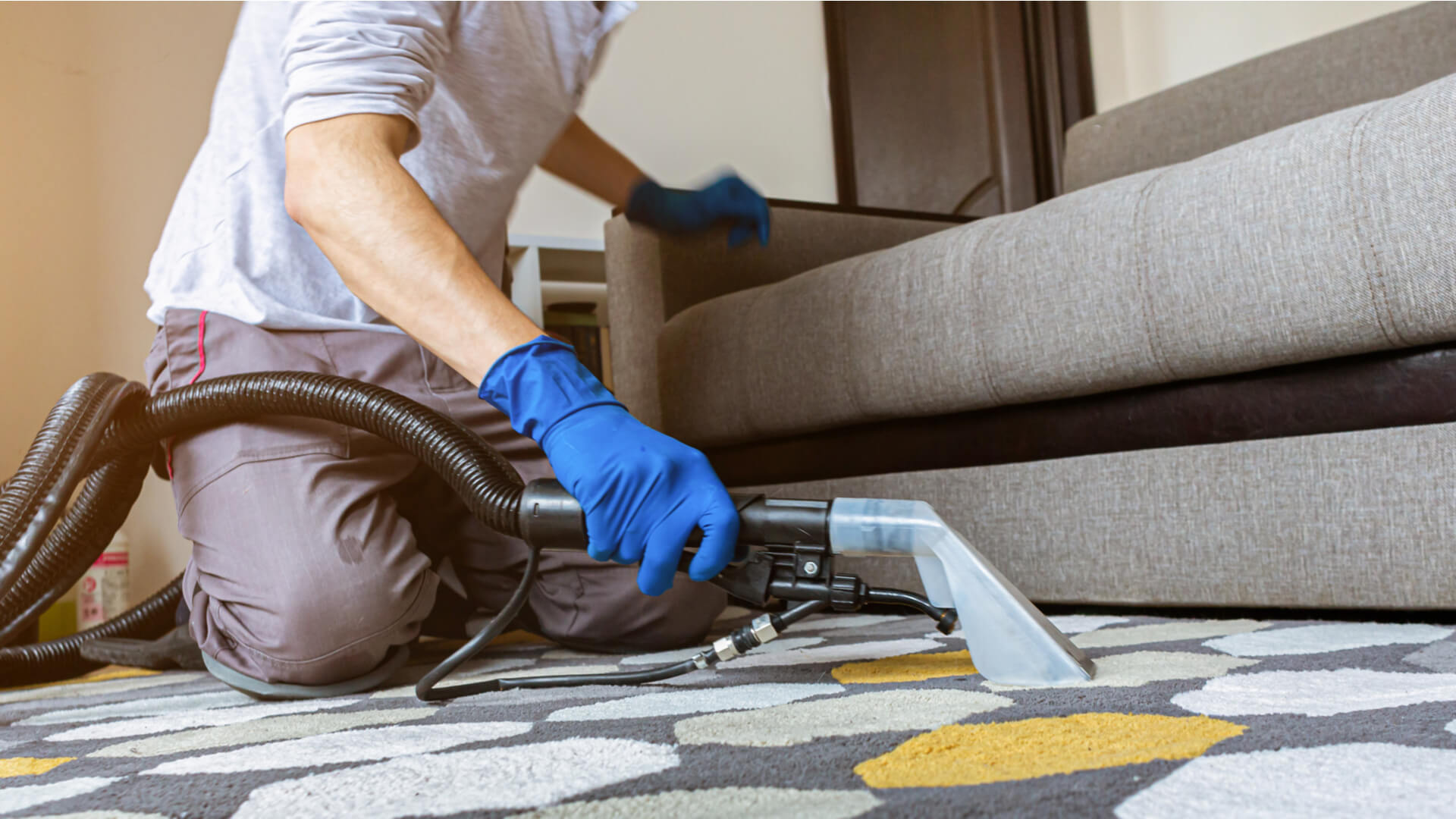
A professional carpet cleaning service like ours uses techniques specifically designed for Berber. Low-moisture cleaning methods prevent loops from stretching or shrinking. We use pH-balanced solutions that clean without damaging fibers. And we have the equipment to extract dirt and debris that home vacuums simply can’t reach.
For example, we had a customer in Wantagh who tried to clean a red wine stain on her wool Berber using a vinegar and baking soda paste. She ended up bleaching the color out of a three-foot section. The repair cost her more than a professional cleaning would have for the entire room.
When to Call the Pros
- Any snag longer than an inch
- Pet accidents that have dried and started to smell
- Water damage from leaks or flooding
- Stains that won’t come out after two attempts
- Delicate materials like silk, wool, or viscose
If you’re in Nassau County, from Bellmore to Smithtown, we’ve seen it all. We know the local homes, the common problems, and the best solutions for this climate. Long Island’s humidity can make Berber more prone to mold and mildew if not dried properly after cleaning. That’s not something you want to learn the hard way.
Other Berber Killers You Might Not Think About
Snags get all the attention, but they’re not the only threat to your Berber.
Sun Fading
South-facing windows in Smithtown? Beautiful light, but brutal on carpet dyes. Over time, UV rays can fade Berber carpets, especially lighter colors. Use UV-blocking blinds or curtains, and rotate area rugs regularly to even out exposure.
Heavy Furniture Dents
That grand piano in Bellmore? It’s going to leave a mark. Heavy furniture compresses carpet fibers over time, creating permanent dents. Use thick rug pads under heavy pieces to distribute the weight. And if you rearrange furniture, fluff the carpet fibers with a soft brush to help them recover.
Wrong Cleaning Methods
We’ve seen cotton rugs shrink. We’ve seen viscose rugs dissolve when wet. We’ve seen steam cleaners turn wool Berber into felt. The wrong cleaning method can destroy a carpet in minutes. Always test any cleaner in an inconspicuous spot first. Or better yet, just call us.
Berber Care Cheat Sheet
| Do This | Don’t Do This | When to Call a Pro |
|---|---|---|
| Use furniture pads on all legs | Wear shoes indoors, especially heels | Snags longer than 1 inch |
| Blot spills immediately with a white cloth | Rub stains (it spreads damage) | Pet accidents with lingering odor |
| Vacuum weekly with beater bar off | Use harsh chemicals or steam cleaners | Water damage or flooding |
| Rotate area rugs every 3–6 months | Ignore water leaks or high humidity | Delicate rugs (silk, wool, viscose) |
| Trim snags flush with scissors | Pull loose loops | Fading, matting, or fiber damage |
Common Questions We Hear From Homeowners
Can I fix a Berber snag myself?
If it’s small, yes. Trim it flush with scissors. But if it’s pulled deep or multiple loops are affected, leave it to a pro. DIY repairs can turn a small issue into a big one.
How often should I professionally clean my Berber?
Every 12 to 18 months for homes. For commercial spaces with heavy foot traffic, every six months. Regular cleaning prevents dirt from grinding down fibers and making snags more likely.
Are Berber carpets pet-friendly?
It’s a mixed bag. Loop piles snag easily, but nylon Berber handles claws better than wool. The bigger issue is accidents—pet urine can weaken fibers and cause odor that’s hard to remove without professional enzyme treatments.
What about water damage?
If your Berber gets wet from a leak or flood, dry it immediately. Use fans and dehumidifiers. If it stays wet for more than 24 hours, mold can start growing. In that case, call a professional for water damage restoration.
Final Thoughts: Your Berber Can Last Decades
Berber carpets aren’t high-maintenance. They just require specific care. A little daily attention—shoes off, furniture pads, smart vacuuming—goes a long way. And when something goes wrong, handle it calmly. Trim snags, blot spills, and don’t experiment with harsh chemicals.
But let’s be real. Life happens. Pets get excited. Kids spill things. You’re busy. That’s why we’re here. Gils Carpet Buster has been serving Long Island for years, and we’ve built our reputation on fixing Berber carpets the right way. We know the local homes, the local climate, and the local problems. We’re not a faceless franchise—we’re your neighbors in Nassau County.
If your Berber is looking rough, or if you’ve got a snag you’re not sure how to handle, give us a call. We’ll come out, take a look, and give you honest advice. Sometimes it’s an easy fix. Sometimes it needs a professional touch. Either way, you’ll know what you’re dealing with.
That’s the kind of service we believe in. No pressure. No upsells. Just real help for real people.

