
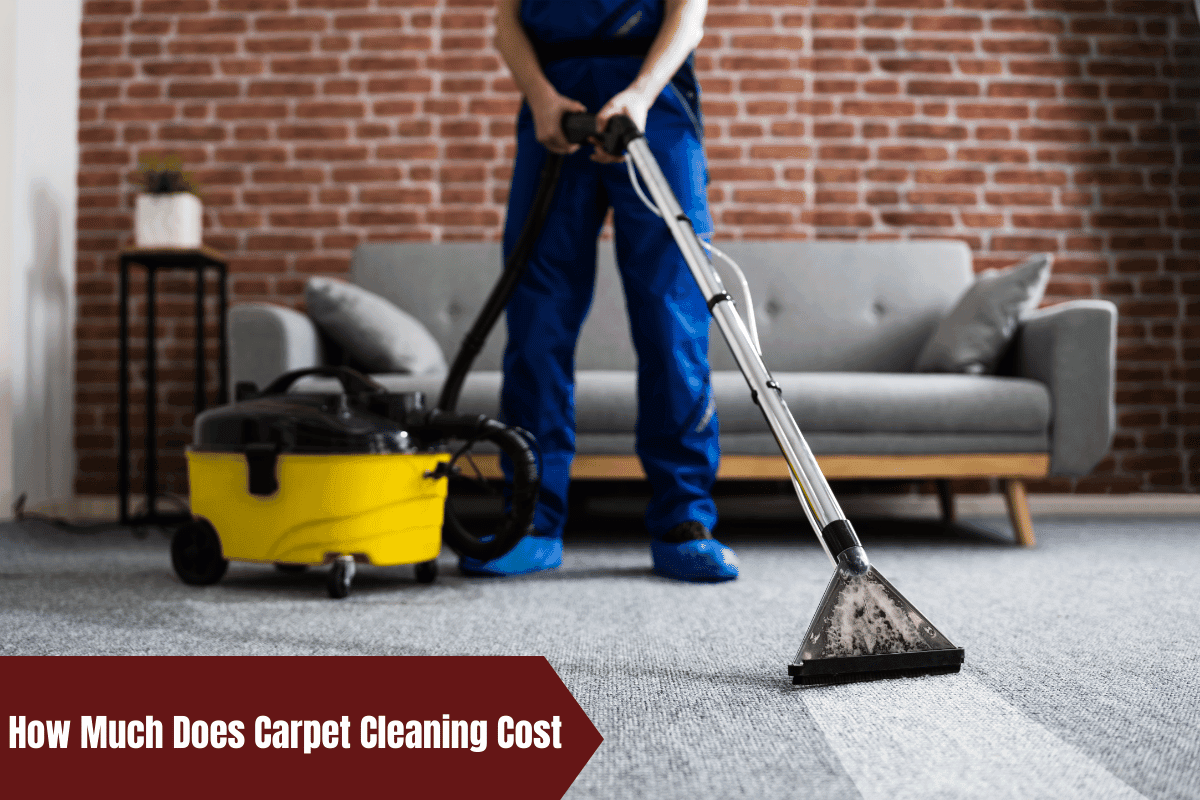
Professional carpet cleaning typically ranges from 100 to 300 dollars for an average home, with per-room pricing generally falling between 40 and 80 dollars. When you work with trusted local specialists like Gils Carpet Buster across Long Island, your total investment depends heavily on the square footage, the chosen cleaning method, and the presence of stubborn spots.
Understanding the real-world costs helps you budget accurately and avoid unexpected surprises. Here is a quick look at standard industry pricing to give you a baseline before scheduling service.
Average Carpet Cleaning Cost Breakdown
| Service Type | Average Price Per Room | Average Price Per Square Foot |
|---|---|---|
| Basic Hot Water Extraction | 40 to 70 dollars | 0.20 to 0.40 dollars |
| Deep Shampooing | 50 to 80 dollars | 0.25 to 0.45 dollars |
| Heavy Stain Treatment | 60 to 100 dollars | 0.30 to 0.50 dollars |
| Pet Urine & Odor Neutralization | 80 to 150 dollars | 0.40 to 0.60 dollars |
| Protective Coating Application | 30 to 60 dollars | 0.10 to 0.25 dollars |
Core Factors That Influence Your Final Bill
No two cleaning jobs are identical. Several distinct variables dictate the final estimate you receive from a technician.
Size and Layout of the Space
Larger square footage naturally requires more time, labor, and cleaning solution. Many residential properties on Long Island feature open-concept layouts or multi-level designs that affect how technicians calculate room boundaries. Hallways, stairs, and walk-in closets are often billed separately or calculated into total square footage.
Carpet Material and Fiber Sensitivity
Different textile fibers demand specialized handling to prevent permanent damage. Natural fibers like wool require specialized, pH-balanced solutions and lower heat settings, which increases the labor time. Synthetic fibers like nylon or polyester tolerate more aggressive treatments and higher temperatures, keeping baseline costs lower.
Severity of Traffic and Soiling
High-traffic zones like entryways, family rooms, and main corridors accumulate deep-set grit and oils. These areas require intensive pre-conditioning and agitation before the primary extraction phase begins. Lightly used guest bedrooms cost significantly less to service than heavily traveled commercial spaces or family rooms.
Comparing Professional Methods and Pricing
Selecting the right technique impacts both your wallet and the longevity of your flooring. Industry standards and guidelines from organizations such as the U.S. Environmental Protection Agency emphasize maintaining indoor air quality through proper particulate removal.
- Hot Water Extraction: Often called steam cleaning, this method pumps heated water deep into the pile to flush out trapped dirt. It is the gold standard recommended by most carpet manufacturers.
- Encapsulation: This technique uses synthetic detergents that crystallize microscopic dirt particles into dry powder, which is then vacuumed away. It uses minimal water and dries rapidly.
- Dry Compound Cleaning: An absorbent powder is worked into the fibers to attract oils and soils. This approach works well for delicate commercial carpets that cannot tolerate moisture.
The Hidden Costs of DIY Carpet Cleaning
Renting a grocery store machine might look budget-friendly on paper, but hidden expenses add up fast. Rental fees typically run 35 to 60 dollars per day, plus specialized spot removers and high-foaming shampoos.
Rented units lack the powerful suction of truck-mounted professional systems. They leave behind excessive moisture that can seep into the carpet backing, triggering mold growth. According to housing guidelines provided by the U.S. Department of Housing and Urban Development, managing indoor moisture is critical for structural preservation and family health. Hiring Gils Carpet Buster eliminates the heavy lifting, chemical guesswork, and drying risks entirely.
Frequently Asked Questions
How does pet stain removal impact the total price?
Pet urine penetrates past the surface fibers into the carpet backing and subfloor. Specialized enzyme treatments and subfloor injections are necessary to break down uric acid crystals permanently. These targeted interventions usually add 20 to 50 dollars per affected zone, but they completely eliminate odors rather than masking them.
How long must I wait before walking on freshly cleaned carpets?
Drying times typically range from 6 to 10 hours depending on relative humidity, indoor airflow, and the extraction method used. Running ceiling fans and air conditioning units accelerates the evaporation process significantly. Technicians often provide disposable protective footies so you can navigate the space carefully while it dries.
How often should I schedule professional cleanings?
Standard manufacturer warranties dictate that wall-to-wall carpets require professional cleaning every 12 to 18 months. Households with multiple pets, heavy foot traffic, or allergy sufferers should shorten that window to every 6 months to maintain healthy indoor air standards.
Sources
- U.S. Environmental Protection Agency (EPA) – Indoor Air Quality Guidelines
- U.S. Department of Housing and Urban Development (HUD) – Healthy Homes Maintenance Standards
- Industry Pricing Benchmarks for Professional Textile Care

