
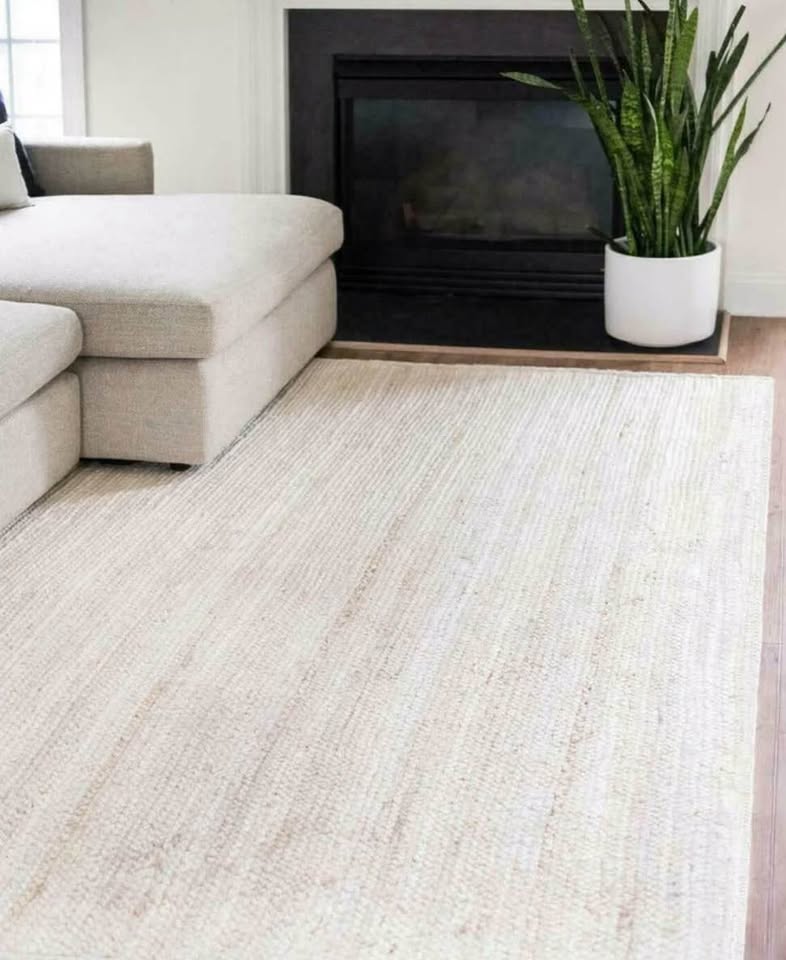
When your floors and furniture take a beating from daily life, you need a reliable local team to restore them. At Gils Carpet Buster, we have spent years helping homeowners and businesses across Long Island reverse everyday disasters. Whether you are dealing with stubborn pet odors, deep-seated grit, or unexpected spills, understanding how professional care works helps you protect your flooring investment.
What You Are Actually Paying For: Breaking Down the Cost
When searching for a carpet cleaning service, you are looking for real results rather than a cheap surface wash. Professional care relies on a multi-step system designed to lift dirt from the base of the fibers rather than just masking the top layer.
Proper maintenance relies on three core pillars:
- Advanced Chemistry: Utilizing professional-grade solutions, enzymatic treatments, and neutralizers tailored to specific fiber types.
- Extraction Physics: Employing high-powered truck-mounted equipment that pulls out deep-seated moisture and contaminants.
- Material Biology: Applying specialized knowledge to treat delicate textiles without causing shrinkage or fading.
The Stain Hall of Fame And How to Tackle It
Every blemish requires a specific approach to ensure complete removal without damaging the underlying material.
How Do You Eliminate Deep Pet Odors?
Pet accidents introduce urea crystals into the carpet backing, which release odors when humidity rises. Surface deodorizers only mask the issue temporarily. True eradication requires enzymatic treatments that break down the organic crystals at a molecular level.
What Is the Best Way to Handle Liquid Spills?
Panic often leads to rubbing, which pushes liquids deeper into the weave. You should blot rather than rub using a clean, dry cloth to absorb excess liquid immediately. For more complex guidelines on fabric care, you can read expert insights on Wikipedia’s carpet cleaning overview.
Why Is Rapid Water Damage Restoration Necessary?
Moisture trapped beneath flooring creates an environment where mold can colonize within 48 hours. Professional intervention utilizes industrial air movers and antimicrobial treatments to dry the structure safely.
Your Rug Is Not Just a Big Carpet
Fine rugs require specialized handling based on their unique fiber composition. Treating a delicate textile like a standard wall-to-wall carpet can lead to irreversible damage.
| Rug Fiber Type | Textile Characteristics | Recommended Cleaning Approach | Primary Risk of DIY Methods |
|---|---|---|---|
| Silk Rug | Stunning, delicate, and prone to rapid dye bleeding. | pH-neutral, low-moisture cleaning with zero harsh agitation. | Water spots, color running, and structural fiber tearing. |
| Viscose or Rayon | Mimics silk but loses structural integrity when wet. | Controlled, minimal moisture with rapid industrial drying. | Fiber distortion, shrinkage, and complete material breakdown. |
| Wool Rug | Durable and resilient, but vulnerable to hot water and rough agitation. | Controlled, lukewarm moisture with pH-balanced formulas. | Felting, permanent shrinkage, and texture stiffening. |
| Cotton Rug | Sturdy texture that handles standard detergents well. | Professional deep extraction with balanced detergents. | Dingy residue buildup from cheap supermarket soaps. |
Comprehensive Cleaning Services for Long Island Properties
Different environments require specialized equipment and tailored methodologies. Our team services properties throughout Nassau County, including communities like Wantagh, Bellmore, and Smithtown.
- Residential Carpet Cleaning: Deep extraction designed to remove allergens, grit, and heavy foot traffic patterns.
- Upholstery and Couch Cleaning: Specialized treatments for delicate fabrics, leather, and synthetic blends.
- Commercial Carpet Cleaning: High-capacity cleaning schedules designed to minimize business downtime and maintain professional presentation.
- Fine Area Rug Care: Off-site or specialized in-plant cleaning tailored to antique and imported rugs.
For additional consumer protection tips and industry standards, consult guidelines from the Federal Trade Commission.
Frequently Asked Questions
How Often Should I Get My Carpets Professionally Cleaned?
For standard residential homes, scheduling a professional deep clean every 6 to 12 months maintains fiber health. Households with children, pets, or high foot traffic benefit from a schedule of every 6 to 8 months.
Will Professional Cleaning Cause Carpets to Resoil Faster?
Resoiling only occurs when inexperienced operators leave behind sticky detergent residues. Thorough rinse cycles eliminate soap residue entirely, ensuring your floors stay cleaner for a much longer duration.
Can Old Stains Be Completely Removed?
While set-in blemishes can be challenging, advanced professional spotting agents and oxidation treatments can significantly improve or completely eliminate most older marks.
Sources
- Industry Standards for Textile Maintenance and Inspection
- Professional Trade Guidelines for Synthetic and Natural Fiber Restoration
- Wikipedia – Carpet Cleaning Practices
- Federal Trade Commission – Consumer Guidance

