
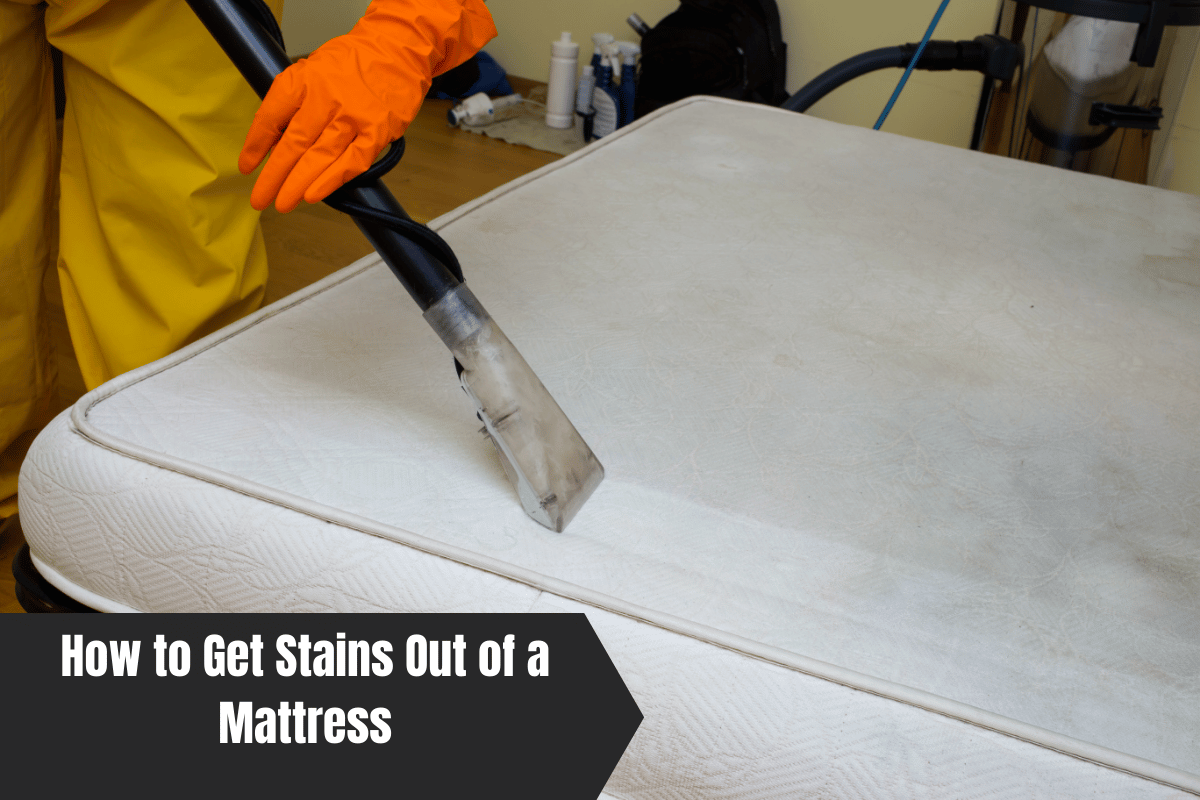
Accidents happen, and finding a blemish on your bed can feel stressful. When you need to know how to get stains out of a mattress, acting fast with the right chemical breakdown is the key to success. We find that most everyday spots respond well to simple household items, but deep-set moisture requires a targeted approach to protect your sleep environment. For homeowners across Long Island dealing with stubborn discoloration, maintaining indoor hygiene starts with a truly clean sleeping surface.
Why Mattress Stains Require Immediate Attention
Mattresses absorb an incredible amount of moisture, dead skin cells, and natural oils over their lifespan. Untreated liquid spills can seep deep into the core layers, creating a breeding ground for bacteria, dust mites, and mildew. Sweat leaves behind stubborn yellow oxidation marks that bond with fabric fibers over time. Knowing the proper protocol prevents permanent fiber damage and keeps your bedroom smelling fresh.
Essential Cleaning Supplies You Need
Before starting any treatment, gather your tools to avoid running around mid-clean. Using the wrong temperature or chemical agent can set a blemish permanently into the material.
- Baking Soda: The ultimate natural deodorizer for neutralizing lingering odors and drawing out moisture.
- Hydrogen Peroxide: A mild bleaching agent that safely breaks down organic proteins like blood and urine.
- White Vinegar: A mild acid that cuts through surface oils and restores pH balance.
- Liquid Dish Soap: Acts as a surfactant to break surface tension and lift grease.
- Enzyme Cleaner: Essential for breaking down complex biological waste at a molecular level.
- Cold Water: Always use cold temperatures because hot water cooks protein-based stains directly into the fabric.
Step-by-Step Guide to Removing Specific Mattress Stains
Different blemishes demand entirely different chemical reactions. Follow these proven workflows to target specific types of contamination without ruining your mattress padding.
How to Remove Sweat and Body Oil Stains
Body oils and perspiration gradually turn white fabric into a discolored, yellowed mess. We use a straightforward two-step process to lift these oils safely.
- Spray the discolored zone thoroughly with undiluted white vinegar.
- Let the liquid dwell for 10 minutes to penetrate the surface fibers.
- Cover the wet patch with a thick layer of baking soda.
- Allow the mixture to react and dry for 4 to 6 hours, then vacuum the residue thoroughly.
How to Treat Fresh and Dried Blood Stains
Blood contains iron and proteins that bond tightly to fabric weave as they dry. Speed is your best ally when handling these situations.
- For Fresh Blood: Blot the area immediately with a clean cloth soaked in cold water. Mix a paste using hydrogen peroxide, dish soap, and salt. Dab it onto the spot, wait 30 minutes, and wipe clean.
- For Dried Blood: Apply a specialized enzyme cleaner or a thick paste made of cornstarch and hydrogen peroxide. Scrub gently with a soft toothbrush, let it dry, and vacuum the flakes away.
How to Neutralize Urine Stains and Odors
Urine leaves behind uric acid crystals that reactivate and smell terrible when exposed to humidity. Deep extraction is mandatory to stop the odor permanently.
- For Fresh Accidents: Blot up as much liquid as possible using dry towels. Spray a 1:1 solution of white vinegar and water, then blanket it in baking soda. Vacuum after it dries completely.
- For Set-In Stains: Combine hydrogen peroxide, baking soda, and a drop of dish soap. Apply the foaming mixture, let it process for 8 hours, and vacuum the dry powder.
How to Clean Vomit Stains Safely
Vomit requires simultaneous sanitization, solid removal, and odor neutralization. Never rub the spot aggressively or you will push acids deeper into the foam.
- Scrape up any solid material carefully using a rigid card or spoon.
- Blot remaining moisture with paper towels without pressing down hard.
- Sprinkle baking soda across the wet zone to absorb primary acids.
- Apply an enzyme-based cleaner to digest remaining proteins, let air dry, and vacuum.
Mattress Stain Removal Reference Matrix
| Stain Category | Primary Cleaning Agents | Recommended Dwell Time | Best Removal Technique |
|---|---|---|---|
| Sweat and Oils | Vinegar and Baking Soda | 4 to 6 Hours | Spray, cover with powder, vacuum dry residue. |
| Fresh Blood | Cold Water and Hydrogen Peroxide | 30 Minutes | Blot cold, apply paste, lift with damp cloth. |
| Dried Blood | Cornstarch and Hydrogen Peroxide | 1 to 2 Hours | Scrub gently with soft brush, vacuum flakes. |
| Fresh Urine | Vinegar, Water, and Baking Soda | 4 Hours | Blot, spray solution, cover with powder, vacuum. |
| Dried Urine | Hydrogen Peroxide and Dish Soap | 8 Hours | Spray foam mixture, let dry completely, vacuum. |
| Vomit | Enzyme Cleaner and Baking Soda | 2 to 4 Hours | Scrape solids, apply enzyme spray, air dry. |
Frequently Asked Questions
How do I get old yellow sweat stains out of my mattress?
Old yellow stains require breaking down oxidized body oils using a mixture of hydrogen peroxide, dish soap, and warm water. Spray the solution lightly over the yellowing, let it sit for 15 minutes, and blot firmly with a dry white towel. Repeat the process if a faint tint remains.
Can hydrogen peroxide bleach my mattress fabric?
Yes, hydrogen peroxide possesses mild bleaching characteristics. Always test a hidden corner of your mattress before applying it broadly to ensure it does not alter colored patterns or synthetic threading.
How long does a mattress take to dry after deep cleaning?
A mattress typically requires anywhere from 2 to 6 hours to dry completely, depending on ambient humidity and airflow. You can accelerate this timeline significantly by pointing a box fan directly at the bed and running a dehumidifier in the room.
When should I hire professional mattress cleaners?
If your mattress suffers from extensive biological contamination, deep mold growth, or pervasive odors that DIY methods cannot touch, it is time to call professionals. Our team at Gils Carpet Buster utilizes industrial extraction equipment to restore hygiene safely across Long Island. For related household maintenance tips, look at our guides on healthy home environments and professional deep cleaning strategies.

