
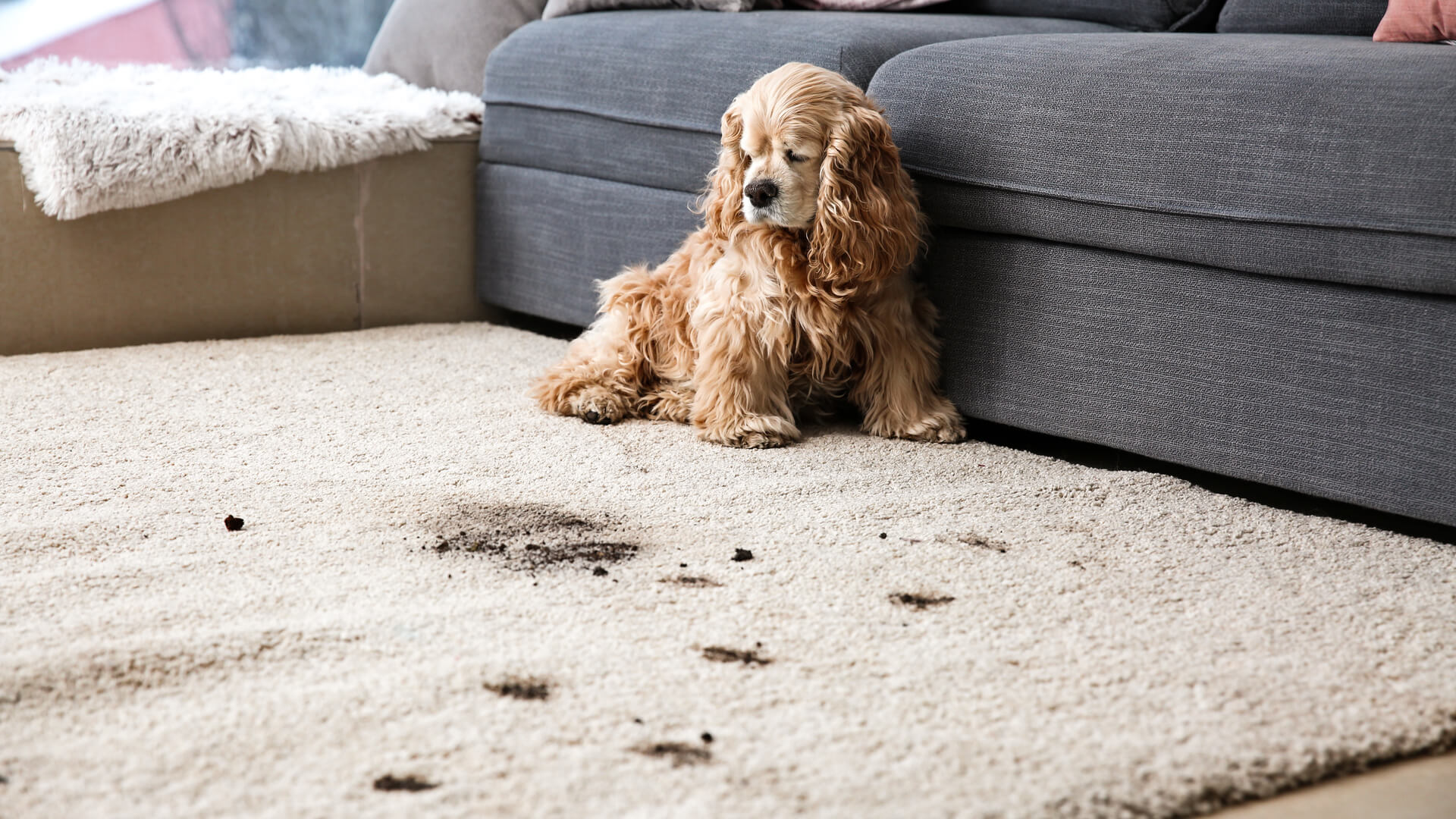
When you dump baking soda on a red wine spill only to watch it dry into a permanent crusty ring, you are experiencing a chemical mismatch. We run into this scenario every week across Long Island, where homeowners accidentally set stains by using the wrong cleaning agents.
Stain removal is not about brute force. It is entirely about understanding the pH balance of both the spill and the cleaning solution. Mastering this chemical relationship prevents you from permanently bonding a stain to your fibers.
What Is pH And Why Does It Matter For Carpet Care?
The pH scale runs from 0 to 14 and measures how acidic or alkaline a substance is. Pure water sits right in the middle at a neutral pH of 7.
- Acids measure below 7, which includes substances like citrus juice, vinegar, and coffee.
- Alkalis measure above 7, which includes baking soda, ammonia, and heavy soaps.
- Neutralizers work through the rule of opposites, meaning alkaline solutions neutralize acids, and mild acids break down alkaline residues.
Applying an alkaline cleaner to an alkaline stain behaves like pouring gasoline on a fire. You drive the contaminant deeper into the material. If you need deeper background on the chemical scale, you can review Wikipedia’s guide to pH.
Acidic Stains Versus Alkaline Stains
Separating spills into their proper chemical categories ensures your rescue attempts succeed. Below is a breakdown of common household culprits.
Common Acidic Spills
Acidic stains carry a low pH and frequently feature sour or sweet compositions.
- Coffee and tea leave dark, tannin-heavy marks.
- Fruit juices and sodas introduce sticky sugars alongside acid.
- Red wine contains rich pigments bound in fruit acids.
- Tomato sauce combines oil, sugar, and natural acids.
- Pet urine starts highly acidic, creating strong odors that worsen if ignored.
Common Alkaline Spills
Alkaline stains have a high pH and are usually protein-based or mineral-heavy.
- Blood and vomit contain complex proteins that react poorly to heat.
- Mud and clay soil bring alkaline minerals deep into the pile.
- Grease and cooking oils resist standard water rinses.
- Ink and dyes require specialized professional solvents.
- Milk and dairy products sour over time and turn alkaline.
Quick Reference pH Stain Guide
| Stain Category | pH Level | Common Examples | Recommended Neutralizer | What to Avoid |
|---|---|---|---|---|
| Organic Spills | Acidic | Coffee, Wine, Juice, Urine | Mild alkaline detergent | Vinegar |
| Protein Spills | Alkaline | Blood, Vomit, Dairy | Diluted white vinegar | Hot water or strong soap |
| Grease and Oils | Alkaline | Cooking oil, Motor oil | Light acidic rinse | Heavy alkaline soaps |
| Dye Spills | Variable | Ink, Food coloring | Professional solvent | DIY chemical mixtures |
Why DIY Methods Sometimes Destroy Carpets
Even with a solid grasp of chemistry, household cleaning poses physical risks to your flooring. Amateurs often struggle with variable control during spot cleaning.
- Water temperature matters immensely, as hot water cooks protein stains like blood straight into the backing.
- Aggressive scrubbing frays delicate loops and tears primary carpet backings.
- Incomplete rinsing leaves sticky detergent residue behind, which acts as a magnet for future dirt.
Our team at Gils Carpet Buster operates with commercial extraction units that balance industrial chemistry with safe rinsing temperatures. You can read more about standard textile maintenance safety through the Environmental Protection Agency for eco-friendly practices.
Protecting Delicate Rug Fibers From pH Extremes
Different materials react violently to incorrect chemical exposures. Wool and silk demand precise handling compared to synthetic carpets.
- Wool rugs consist of natural protein fibers that mimic human hair and sit at a slightly acidic baseline. Strong alkaline strippers strip natural oils, making wool brittle and prone to shrinkage.
- Silk and viscose rugs suffer irreversible damage from harsh acids and heavy alkalis alike.
- Persian and antique heirlooms require specialist inspection to protect unstable natural dyes.
Homeowners throughout Wantagh, Bellmore, and Smithtown rely on our specialized rug cleaning service to protect valuable heirloom pieces. Professional intervention costs significantly less than replacing a ruined antique.
Applying pH Science Across All Our Cleaning Services
The chemistry of cleaning extends far beyond standard floor mats. We apply these exact chemical principles to upholstery, commercial spaces, and flood recovery.
- Upholstery and couch cleaning requires distinct solutions for fabric types, separating body oils from food spills.
- Water damage restoration neutralizes alkaline bacteria and contaminated greywater pulled from subfloors across Nassau County.
- Commercial carpet cleaning balances heavy grease buildup near restaurant kitchens against high-traffic office entryways.
When stains are large, ancient, or accompanied by severe pet odors, surface wiping fails. Deep contamination requires professional extraction equipment to flush out padding below the surface layer.
Frequently Asked Questions
Is vinegar a safe all-purpose cleaner?
No. Vinegar is acidic and works wonderfully on alkaline messes like mineral scale. However, spraying vinegar on acidic stains like wine or coffee locks the pigment permanently into the fiber.
Can I use bleach to disinfect my carpets?
Never use bleach on standard carpets. Bleach is an extreme alkali that strips dye molecules and destroys organic backing materials instantly.
How do I identify an unknown stain’s pH?
Context provides your best clue. Food and drink are generally acidic, while bodily fluids and grease are typically alkaline. If you remain unsure, blot gently with cool water and contact Gils Carpet Buster before applying chemicals.

