
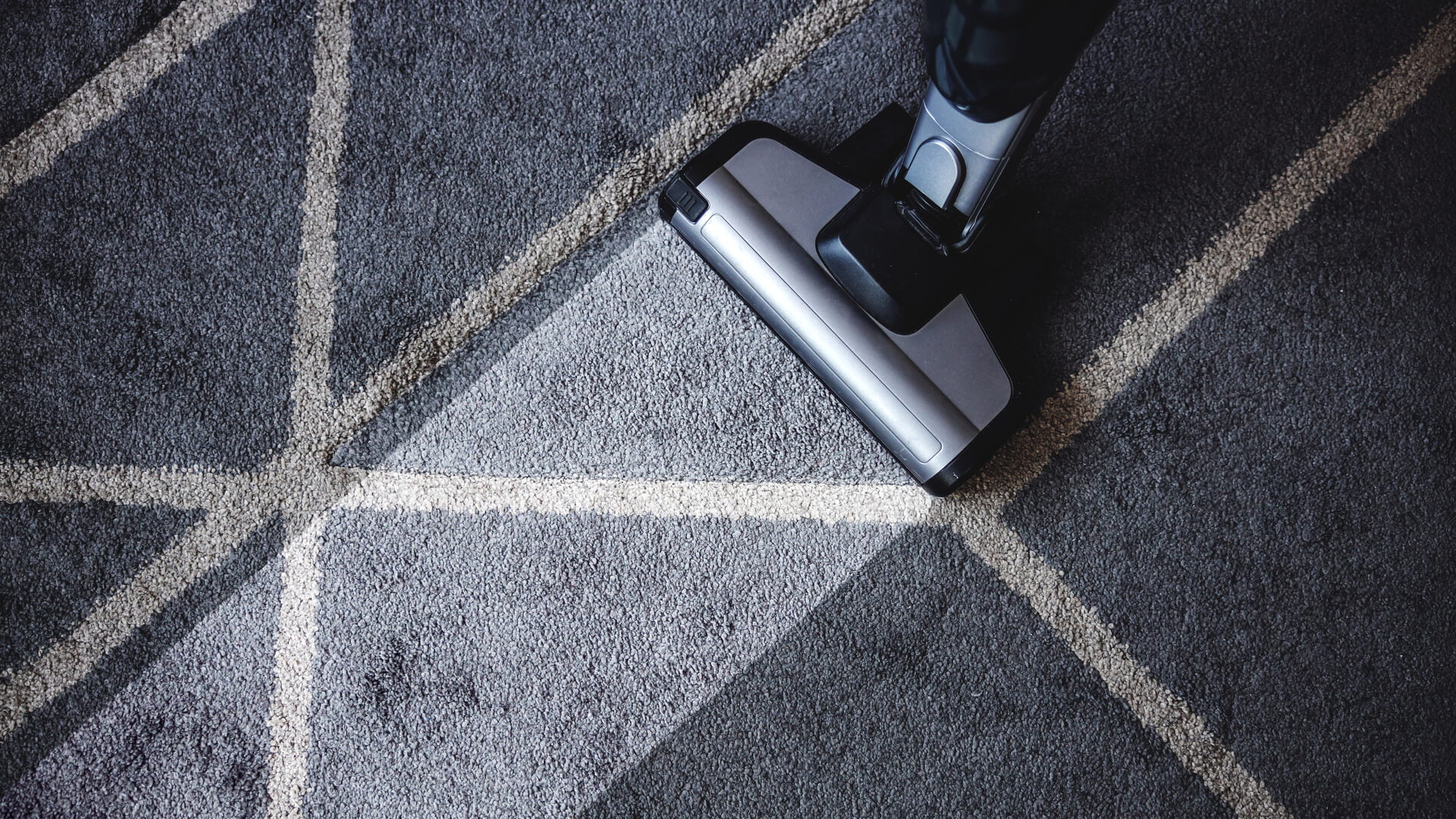
You live on an island. You knew that going in. But what nobody tells you during the open house or the lease signing is that the sand doesn’t stay at the beach. It follows you home, settles into your carpets, and starts doing damage long before you ever hear that first crunch underfoot. We’ve pulled enough of it out of homes across Nassau and Suffolk to know exactly what we’re talking about.
Key Takeaways:
- Beach sand is abrasive and acts like sandpaper on carpet fibers, causing premature wear.
- Standard home vacuums and rental machines cannot remove deeply embedded grit.
- Professional hot water extraction is the only reliable method for removing sand near the carpet backing.
- Delicate rugs like silk or viscose require specialized handling—DIY cleaning can ruin them.
- Regular professional cleaning during beach season (every 3–6 months) prevents permanent damage.
What Beach Sand Actually Does to Your Carpet
Let’s get one thing straight. Sand isn’t just dirt. It’s crushed rock, shell fragments, and mineral particles. Every time you walk across a sandy carpet, those particles grind against the fibers. Over weeks and months, that abrasion causes the fibers to fray, lose their twist, and eventually break down. The result is a carpet that looks dull, matted, and older than it actually is.
We’ve seen carpets in Smithtown homes that were only three years old but looked like they’d survived a decade. The culprit? Weekend trips to Robert Moses and Jones Beach, with no real deep cleaning in between.
The problem gets worse the longer sand sits. Fine particles migrate down through the pile and settle against the carpet backing. Once they’re there, they act like a layer of grit that rubs against the backing every time someone walks across the room. That’s how you get premature delamination—where the carpet fibers literally separate from the backing material.
The Three Stages of Sand Damage
Surface Grit
This is the stuff you feel underfoot. It’s annoying, but it’s also the easiest to deal with. A good vacuum with a beater bar can pick up most of it. The problem is that most people stop here.
Mid-Pile Embedment
Medium-sized particles get trapped in the middle of the carpet pile. They’re not visible to the eye, but they’re grinding away at the fibers every time you walk. Standard vacuums can’t reach them. This is where the real damage starts.
Deep-Backing Infiltration
Fine sand particles work their way all the way down to the carpet backing and pad. This is the danger zone. Once sand reaches this level, no amount of vacuuming will remove it. It requires professional agitation and high-powered extraction to dislodge. If left untreated, it will destroy the carpet from the bottom up.
| Sand Particle Size | Where It Hides | What It Does | Can DIY Fix It? |
|---|---|---|---|
| Coarse (1-2mm) | Surface of pile | Immediate crunch, visible grit | Mostly, with good vacuum |
| Medium (0.5-1mm) | Mid-pile | Gradual fiber wear, matting | Partially, but not fully |
| Fine (<0.5mm) | Backing and pad | Long-term structural damage | No. Requires professional extraction |
Why Your Vacuum Is Losing This Fight
This is where we see the most frustration from homeowners. They vacuum twice a week, sometimes daily during summer. They buy the expensive bagless machines with HEPA filters. And still, the sand persists.
Here’s the reality: household vacuums are designed for surface debris and loose dust. They don’t have the suction power or agitation to pull deeply embedded sand out of carpet fibers. Even the high-end models struggle with fine particles that have settled near the backing.
The beater bar helps, but it also works the sand deeper into the pile if the vacuum isn’t powerful enough to extract it. So you’re essentially grinding the problem in further while thinking you’re cleaning.
We’ve tested this ourselves. After vacuuming a sandy entryway carpet three times with a premium household vacuum, we still pulled out a significant amount of sand with our truck-mounted system. The homeowner was shocked. We weren’t.
The Rental Machine Trap
We get it. You see the ads for carpet cleaner rentals at the big box stores. They promise professional results for fifty bucks. It’s tempting.
Here’s what those machines actually do: they spray a mixture of water and detergent into your carpet, agitate it briefly, and then try to suck it back up. The problem is that their suction is weak compared to professional equipment. They leave your carpet wet—sometimes soaking wet—and they don’t have the heat to properly dissolve oils and embedded grime.
Wet carpet plus Long Island humidity equals a mold and mildew risk. We’ve walked into homes where the smell hit us before we even saw the carpet. The homeowner had rented a machine, cleaned everything, and then couldn’t get it to dry properly. Three days later, the musty odor started. A week later, they were calling us.
The other issue is that rental machines recirculate dirty water. The tank fills with murky, sandy water, but the machine keeps spraying the same contaminated solution back into your carpet. You’re essentially washing your carpet with dirty water and calling it clean.
When Professional Cleaning Actually Makes Sense
We’re not going to tell you that you need professional cleaning every month. That would be dishonest. But there are specific situations where calling us—or any reputable local cleaner—is the smart move.
After beach season ends. If you’ve been hitting the beaches all summer, your carpets have accumulated months of sand, salt, and sunscreen residue. A single deep clean in early fall can reset your carpets and extend their life by years.
Before selling your home. Real estate agents will tell you that clean carpets make a difference in showings. They’re right. But more importantly, a deep clean removes odors and embedded dirt that might turn off potential buyers.
When you have pets. Dogs and cats track sand in on their paws and fur. They also add dander, oils, and the occasional accident. The combination of sand and pet waste creates a gritty paste that stains and smells.
After a party or gathering. We’ve cleaned carpets after summer barbecues, birthday parties, and holiday gatherings. The sand, food crumbs, and spilled drinks create a perfect storm. Getting it cleaned quickly prevents stains from setting.
Handling Delicate Rugs: The Stuff That Scares People
Not all floor coverings can handle the same treatment. We’ve seen people ruin expensive rugs by using the wrong cleaning method. It’s painful to watch.
Silk rugs are the most fragile. Water can cause the fibers to swell and distort. Harsh detergents can strip the natural luster. We clean silk rugs with controlled low-moisture techniques and pH-neutral solutions. Never, ever use a steam cleaner on a silk rug.
Viscose rugs are tricky. They look like silk but behave completely differently. Viscose is a regenerated cellulose fiber, which means it’s basically wood pulp. Water causes it to become stiff and brittle. Many viscose rugs are labeled “dry clean only” for a reason. If you have a viscose rug that’s sandy, bring it to a professional. Do not attempt to clean it yourself.
Wool rugs are more forgiving but still require care. Wool can shrink if exposed to excessive heat or agitation. It also reacts poorly to alkaline cleaners. We use specifically formulated wool-safe detergents and control the water temperature carefully.
Cotton dhurries and flatweaves can usually handle more aggressive cleaning, but they tend to hold onto sand in their tight weave. They benefit from thorough extraction.
What About Odors? The Sand Connection
Here’s something most people don’t realize: sand doesn’t just carry dirt. It carries organic matter. Shell fragments, seaweed particles, dead skin cells, sunscreen, sweat. All of that gets ground into your carpet along with the sand.
When the sand settles deep in the pile, that organic matter starts to decompose. Over time, it creates odors. Not the obvious “something died” smell, but a musty, slightly sour odor that you might not notice until someone else walks into your home.
We’ve had customers tell us they couldn’t figure out why their living room smelled off even though they vacuumed regularly. The answer was always the same: sand-embedded organic matter decomposing near the carpet backing. A deep clean with enzymatic treatment solved it every time.
The Cost Question: Is Professional Cleaning Worth It?
Let’s do some rough math. A decent quality carpet installed in a typical Long Island living room costs somewhere between $1,500 and $3,000. If you get it professionally cleaned once or twice a year, you’re looking at maybe $200–$400 annually.
Without professional cleaning, that carpet might last 5–7 years before it looks worn out. With regular deep cleaning, you can push that to 10–12 years. The cleaning costs over a decade are maybe $2,000–$4,000. The replacement cost is $1,500–$3,000 every 5–7 years.
The math favors cleaning. And that’s before factoring in the comfort of walking on clean carpet, the absence of odors, and the fact that you’re not breathing in sand particles every time you sit on the floor.
When DIY Actually Works
We believe in being honest, so here’s the flip side: there are situations where DIY is fine.
Spot cleaning fresh spills. If you spill something and catch it immediately, a blot with a clean cloth and some mild detergent will usually do the job. Don’t rub. Blot.
Light maintenance between professional cleanings. A good vacuum with a clean filter and proper technique will handle surface debris. Vacuum slowly and make multiple passes in different directions.
Routine cleaning of low-pile carpets in low-traffic areas. If you have a guest bedroom that barely gets used, a rental machine once a year might be sufficient.
But for high-traffic areas, entryways, living rooms, and anything exposed to beach sand, professional cleaning is the difference between a carpet that lasts and one that needs replacement.
A Note About Water Damage
Sand isn’t the only thing that ruins carpets on Long Island. We get heavy storms, occasional flooding, and the ever-present risk of burst pipes in older homes. If you ever have water damage, time is critical.
Sand that gets wet turns into a gritty paste that bonds to carpet fibers. It becomes exponentially harder to remove. If you have a flood or leak, call a professional immediately. The longer you wait, the more likely the carpet and pad will need to be replaced entirely.
We’ve handled water damage restoration in Bellmore, Smithtown, and across the Island. The homes that called us within hours of the leak almost always saved their carpets. The ones that waited a day or two? Not so much.
Why We Do What We Do
We’ve been doing this long enough to have opinions. We think most carpet cleaning companies overpromise and underdeliver. We think rental machines should come with warning labels. And we think homeowners deserve straight talk about what actually works.
We’re not the cheapest option in Nassau County, and we’re not trying to be. We charge a fair price for equipment that costs six figures, for training that took years, and for results that actually last. If you want a quick spray-and-suck for fifty bucks, there are plenty of companies that will do that. But if you want the sand out—really out, down to the backing—you need the real tools.
The Bottom Line
You don’t have to stop going to the beach. We’re not suggesting that. But you do need to accept that beach sand is actively damaging your carpets every single day it stays embedded. Vacuuming helps, but it’s not enough. Rental machines are a gamble. Professional cleaning is the only reliable solution for deep sand removal.
If your carpets are crunching, if they look dull despite regular vacuuming, or if you just want to start the season with clean floors, give us a call. We’re Gils Carpet Buster, located in Long Island, and we’ve been pulling sand out of local homes for years. We’ll give you an honest assessment, a fair price, and results you can feel under your bare feet.
Your carpets will thank you. Your bare feet will thank you. And next time you come home from Jones Beach with sand between your toes, you won’t have to dread the walk across the living room.
Carpet cleaning techniques have evolved significantly, but the fundamentals remain the same: heat, agitation, and powerful extraction are the only way to remove deeply embedded particulates like beach sand.

