
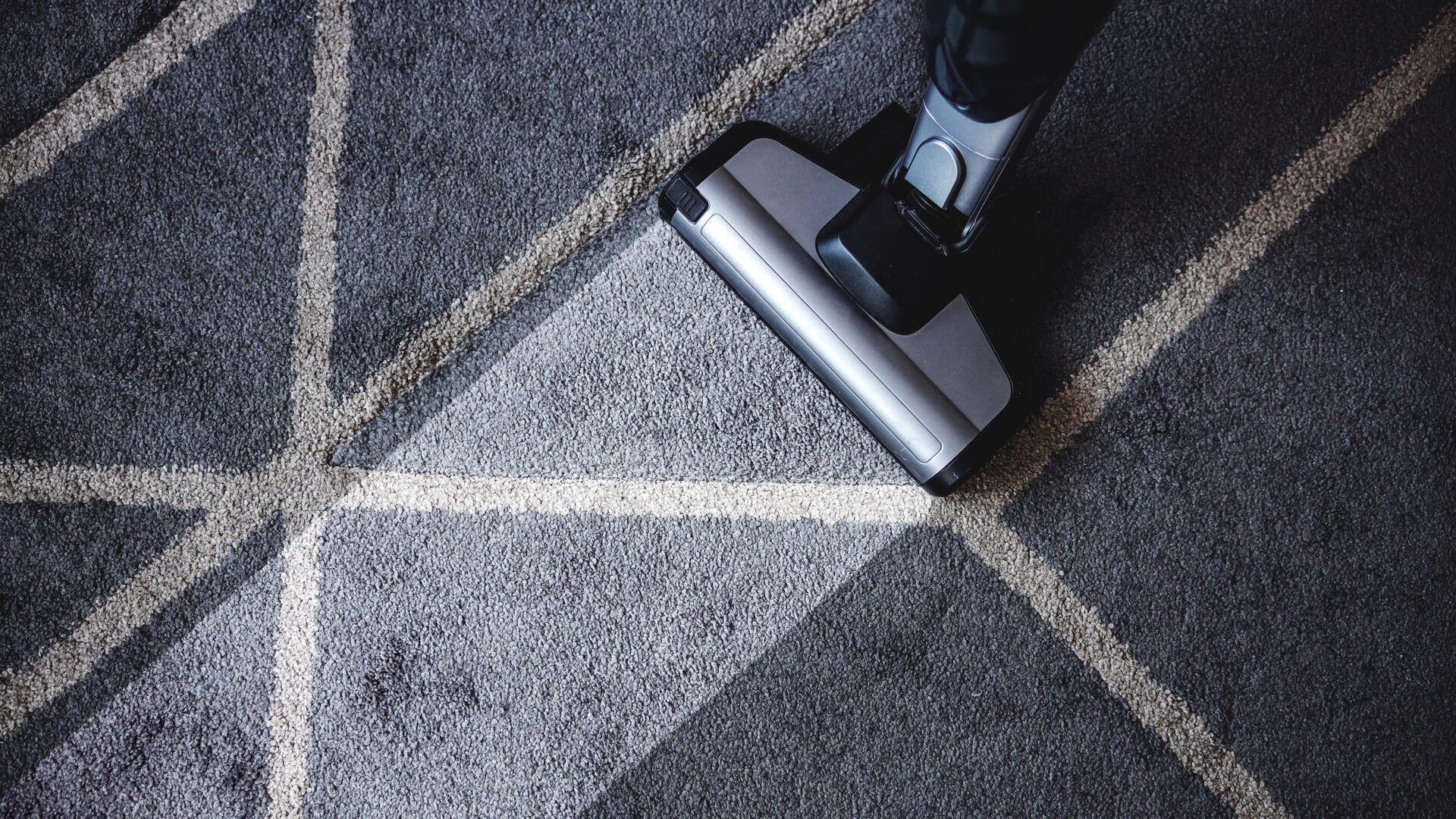
Understanding High-Rise Rug and Carpet Challenges
Managing cleanliness in high-rise buildings and upper-floor apartments presents distinct structural hurdles. When you live or manage property hundreds of feet above ground, routine maintenance requires specialized logistics. At Gils Carpet Buster, we frequently service multi-story residential and commercial complexes across Long Island. Water access, equipment transport, and strict building regulations demand a tailored approach.
Standard portable rental machines lack the psi and suction required to pull moisture from thick materials on elevated floors. Building management teams also enforce strict elevator reservation times and noise ordinances. Our local technicians coordinate directly with building superintendents to ensure zero disruption.
- Logistical Hurdles: Navigating freight elevators and stairwells with heavy extraction rigs.
- Drainage Limits: Safe disposal of wastewater without relying on standard ground-floor drainage.
- Fast Dry Times: Preventing localized humidity spikes inside tightly sealed high-rise units.
- Noise Restrictions: Operating low-decibel, high-efficiency equipment to comply with building bylaws.
The Fabric Breakdown: Knowing Your Material
Treating every floor covering with the same chemical mixture leads to irreversible fiber damage. Different materials react uniquely to heat, water pressure, and chemical agents. Knowing the exact composition of your textile is the first step toward a safe restoration.
- Synthetic Workhorses: Nylon and polyester tolerate aggressive hot water extraction and resist heavy foot traffic.
- Natural Sensitivities: Wool fibers require pH-balanced solutions to prevent browning and fiber shrinkage.
- Delicate Silk: Silk textiles demand low-moisture treatments because water drops cause permanent rings.
- Viscose Traps: Viscose and rayon mimic silk but disintegrate or yellow when exposed to heavy moisture.
Our Comprehensive Cleaning Process
We follow a rigorous multi-step methodology to ensure deep-root extraction without harming the structural integrity of your textiles. We refuse to use surface-level masking agents that leave sticky soap residues behind.
- Pre-Inspection & Testing: We identify exact fiber blends and test colorfastness using specialized chemical indicators.
- Dry Soil Extraction: We use heavy-duty commercial vacuums to remove trapped grit, hair, and particulate matter before introducing liquids.
- Targeted Pre-Treatment: We apply enzymatic or oxidative agents directly to high-traffic lanes and stubborn spots.
- Hot Water Extraction: We deploy high-pressure, temperature-controlled water extraction to flush out deeply embedded pollutants.
- Post-Grooming: We align the nap using professional carpet rakes to accelerate drying and restore the original texture.
Cost and Service Comparison
When evaluating professional care versus rental alternatives, the hidden expenses of DIY cleaning often outweigh the initial savings. Review our breakdown of methods, timelines, and typical outcomes for high-rise and residential spaces.
| Cleaning Method | Equipment Used | Average Drying Time | Best Application | Primary Risk |
|---|---|---|---|---|
| DIY Rental Machine | Low-suction consumer unit | 18 to 24 hours | Quick surface spot removal | Over-wetting, soap residue buildup, mold growth |
| Standard Portable Unit | Mid-grade electric extractor | 8 to 12 hours | Upper-floor apartments | Limited extraction power on dense wool |
| Truck-Mounted System | High-pressure gas/diesel rig | 2 to 4 hours | Ground-level homes and commercial suites | Requires long hose runs for elevated floors |
| Low-Moisture Encapsulation | Rotary bonnet and crystal polymers | 1 to 2 hours | Commercial high-rise offices | Ineffective for deep pet urine removal |
Why Long Island Properties Choose Local Experts
National franchise chains often rely on rigid, one-size-fits-all playbooks that fail to account for regional environmental factors. Living and working across Nassau County means dealing with specific humidity levels, seasonal pollen counts, and urban dust patterns. A local team understands how regional climate conditions impact drying times and indoor air quality.
Partnering with a dedicated regional provider means you receive customized advice on maintenance schedules. For more details on maintaining healthy indoor spaces, review the guidelines provided by the Environmental Protection Agency on Indoor Air Quality. Building owners managing large-scale properties can also consult standard municipal codes via resources like NYC.gov Official Municipal Guidelines for regulatory compliance on building maintenance.
Frequently Asked Questions
How often should high-rise carpets be professionally cleaned?
For residential high-rise units, we recommend professional extraction every 12 to 18 months. Commercial spaces or units housing multiple pets require maintenance every 6 months to prevent premature fiber degradation and maintain clean indoor air.
Can water damage from a broken pipe be fixed in a high-rise?
Yes, rapid water extraction is critical to stop structural rot and mold development. We deploy high-speed air movers and commercial dehumidifiers immediately to extract trapped water from subfloors and wall cavities.
Are your cleaning agents safe for children and household pets?
We utilize non-toxic, biodegradable, and pH-balanced solutions that break down organic soils naturally. These formulas eliminate chemical residues, ensuring your floors remain safe for crawling infants and sensitive pets.
Will high-rise cleaning disrupt building neighbors?
Our equipment features noise-reduction engineering designed specifically for multi-family dwellings and shared office buildings. We also utilize compact components that fit easily into standard elevators without blocking shared corridors.
Sources
- National Air Duct Cleaners Association – Industry Standards for Indoor Environment Care
- Environmental Protection Agency – Indoor Air Quality Guidelines
- Institute of Inspection Cleaning and Restoration Certification – Standard for Professional Textile Cleaning

