
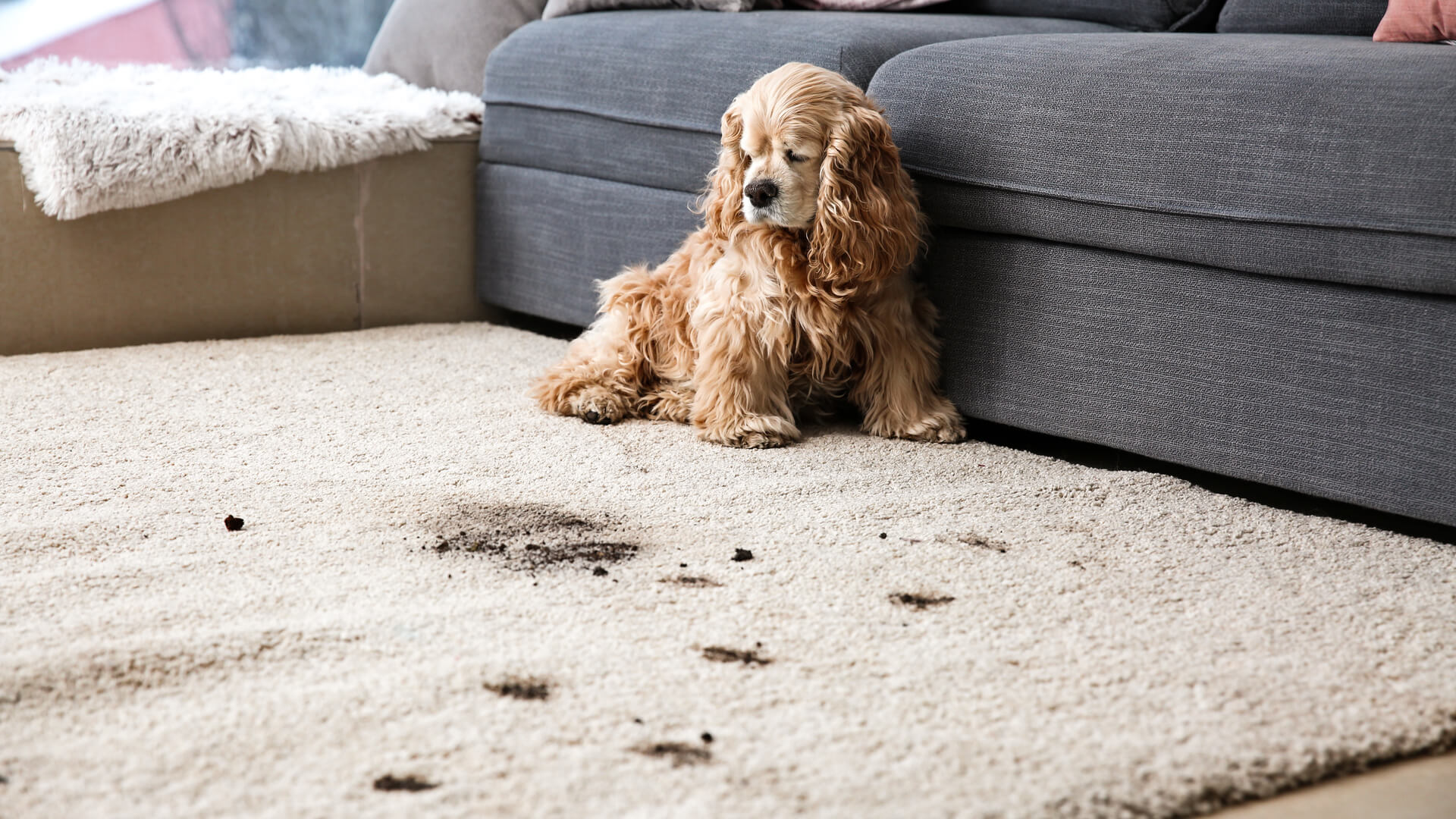
You’ve scrubbed the baseboards, decluttered the closets, and maybe even repainted the front door. The real estate agent says the place looks great. But there’s still that nagging feeling when you walk into the living room and catch a whiff of something that’s just… off. Or maybe you notice how the afternoon light hits the carpet and suddenly reveals a traffic pattern you’d stopped seeing years ago.
That’s the moment most sellers panic. And honestly, it’s the moment that separates a quick sale at asking price from a listing that sits for weeks while buyers mentally deduct thousands for “new flooring” or “unknown odors.”
Key Takeaways
- A professional deep clean before listing directly impacts perceived home value and can increase offers by removing buyer objections.
- Carpets, rugs, and upholstery hold years of embedded dirt, allergens, and odors that standard cleaning cannot fully remove.
- DIY rental machines often leave behind excess moisture and residue, creating risks of mold and unsatisfactory results.
- Specialized treatments for pet odors and water damage are critical for homes in Long Island’s older housing stock.
- Timing your cleaning 1–3 days before photography ensures maximum visual and olfactory impact for listings.
The Real Cost of a “Good Enough” Clean
Let’s be honest about something most home staging advice glosses over. Buyers are irrational. They walk into a house and within thirty seconds they’ve already decided if they want to live there. That decision isn’t based on square footage or the quality of the granite countertops. It’s based on feel. And nothing kills that feeling faster than a house that smells like someone else’s life.
We’ve seen it a hundred times. A couple walks into a beautifully staged colonial in Massapequa. The kitchen is updated, the bathrooms are fresh, the price is right. But the moment they step into the family room, the wife’s nose wrinkles. There’s a faint, musty undertone. Maybe it’s the dog that’s been gone for two years but left his mark in the carpet pad. Maybe it’s last week’s cooking oil that settled into the drapes. Whatever it is, the magic is gone. They spend the rest of the tour looking for problems instead of imagining their future.
That’s the hidden cost of skipping a professional clean. You’re not just leaving dirt behind. You’re leaving doubt.
What a Pre-Sale Deep Clean Actually Covers
Most people think “deep clean” means vacuuming under the couch and wiping down the baseboards. That’s maintenance, not preparation. When you’re selling a home on Long Island—especially in competitive markets like Nassau County where buyers have options—you need to address the things that standard cleaning leaves behind.
Carpets Hold Secrets
Your carpets are basically giant filters. Every step, every spill, every pet accident, every season of pollen and dust gets trapped deep in the fibers. Over time, that accumulation dulls the color and flattens the pile. A vacuum only skims the surface. What you need is hot water extraction—professional grade, not the rental machine from the grocery store.
We use truck-mounted systems that heat water to consistent temperatures and apply serious suction. The difference isn’t subtle. Carpets that looked tired and gray come back vibrant. Rooms feel larger. And that vague “lived-in” smell disappears entirely. For homes in older Long Island neighborhoods where wall-to-wall carpet was installed decades ago, this can be the difference between a buyer imagining a renovation or imagining moving in next week.
Specialty Rugs Need a Different Touch
If you’ve invested in a Persian rug, a wool runner, or a silk piece from a local shop in Huntington, don’t trust it to a one-size-fits-all cleaner. Different fibers react differently to moisture, heat, and chemicals. Viscose rugs, for example, can disintegrate if over-wet. Cotton rugs shrink. Wool requires careful pH balancing.
A proper rug cleaning service doesn’t just wash the surface. They assess the fiber, test for colorfastness, and use methods that preserve the integrity of the weave. When you place a freshly cleaned, groomed rug back into a staged room, it adds a layer of polish that buyers notice even if they can’t name it. It signals that this home has been cared for by someone who pays attention to details.
Upholstery: The Invisible Grime
Your couch might look fine from across the room. But get close. Run your hand along the armrest. Notice the slight sheen? That’s body oils, hair products, and dust that have bonded to the fabric over years of use. Professional upholstery cleaning removes that layer, restores the original texture, and eliminates odors trapped in the cushion cores.
In a staged living room, the furniture needs to look inviting, not just presentable. A clean couch that smells fresh and feels soft makes buyers want to sit down and stay awhile. That’s the emotional hook you’re looking for.
The Hard Truth About DIY Carpet Cleaning
We get it. You’re trying to save money before a big move. Renting a machine from the local supermarket seems like a reasonable compromise. But here’s what actually happens with those machines:
- The water temperature drops quickly, so you’re essentially spreading warm, dirty water into your carpet.
- The suction is weak. You think you’re extracting, but you’re leaving behind a significant amount of moisture.
- The cleaning solution is generic. It might work on surface dirt, but it won’t touch pet urine crystals or set-in stains.
- That leftover moisture sits in the carpet pad. In a humid Long Island summer, that’s a recipe for mold growth within 48 hours.
We’ve walked into homes where the owner “cleaned” the carpets themselves three days before listing, and the musty smell was so strong the realtor had to reschedule showings. That’s not saving money. That’s burning the bridge before you cross it.
Here’s a quick comparison that reflects what we’ve seen in the field:
| Factor | DIY Rental Machine | Professional Service |
|---|---|---|
| Water temperature | Lukewarm, drops fast | Consistent hot water throughout |
| Suction power | Moderate, leaves wetness | High extraction, carpets dry in hours |
| Cleaning solutions | One-size-fits-all | Targeted for stain type and fiber |
| Stain removal | Surface only | Deep lift, including set-in spots |
| Odor elimination | Masking, temporary | Enzymatic breakdown, permanent |
| Time investment | Full weekend, physical labor | Few hours, you’re hands-off |
| Risk of damage | Overwetting, residue, mold | Minimal with proper technique |
When you consider that a professional cleaning often costs less than the price reduction buyers will demand for “dingy carpets,” the math becomes obvious.
When Professional Help Isn’t Just Nice—It’s Necessary
Some situations don’t leave room for compromise. If your home has experienced any kind of water intrusion—a leaky pipe, a roof drip, a flooded basement—buyers will be hyper-vigilant. Even after the visible damage is repaired, the odor and potential for mold can linger.
Water damage restoration isn’t the same as carpet cleaning. It involves assessing the extent of moisture penetration, treating affected areas with antimicrobial solutions, and ensuring the subfloor is fully dry before any cleaning or replacement. Skipping this step is a liability. Buyers’ home inspectors will find it, and the deal will fall apart.
We’ve handled situations in Smithtown and Bellmore where a seller tried to mask a past leak with air freshener. The inspector brought a moisture meter, found the problem, and the buyer walked. That’s thousands of dollars lost because someone tried to hide rather than remediate.
What About Pet Odors?
This is the elephant in the room for a lot of Long Island homeowners. You love your dog. But your carpet doesn’t. Over time, urine soaks through the carpet into the pad and sometimes the subfloor. Standard cleaning won’t fix it because the uric acid crystals don’t dissolve in water. They need an enzymatic cleaner that literally eats the crystals at a molecular level.
If you’ve been living with a pet for years and you’re planning to sell, address this early. Don’t wait until the week of listing. The treatment might require multiple applications or even pad replacement. But it’s better to handle it now than to have a buyer’s nose call the shots on your sale price.
Timing the Clean for Maximum Impact
Here’s a mistake we see all the time: someone schedules a deep clean two weeks before listing. By the time the photographer arrives, the carpets have been walked on, the couch has been sat on, and the fresh smell has faded. The listing photos look fine, but the in-person experience is flat.
The sweet spot is one to three days before your professional photography session. That way, the carpets are fully dry, the air smells clean, and everything looks its absolute best for the images that will generate the most buyer interest. If you’re doing an open house, schedule the clean the day before so the scent is still fresh.
How to Pick the Right Company
Not all carpet cleaners are created equal. When you’re searching for a service near you, look for:
- IICRC certification, which indicates formal training in cleaning and restoration standards.
- Transparent pricing. If the quote sounds too good to be true, there are almost certainly add-ons.
- Insurance. This protects you if something goes wrong.
- Local reputation. Ask neighbors or your realtor who they trust.
We built Gils Carpet Buster on the principle that pre-sale cleaning isn’t just a service—it’s a strategic investment in your home’s marketability. We’ve worked with sellers across Long Island, from older Colonials in Wantagh to newer constructions in Stony Brook, and we’ve seen firsthand how a proper clean changes buyer perception.
Common Questions Sellers Ask
Will cleaning remove every stain?
We can remove about 95% of common stains. Permanent discoloration from bleach or chemical dyes may only lighten. We’ll tell you honestly before we start.
Is it worth cleaning if I plan to offer a flooring allowance?
Yes. A clean carpet shows the home was maintained. A dirty one makes buyers question what else has been neglected. Perception drives price.
How long does it take for carpets to dry?
With our truck-mounted system, most carpets are dry within two to four hours. No fans needed, no waiting days.
One Last Thing
Selling a home is stressful. There’s a million things to coordinate and a thousand opinions coming at you from every direction. But this one thing—the deep clean—is something you can control. It doesn’t require a contractor. It doesn’t require a permit. It’s a straightforward investment that pays for itself the moment a buyer walks in and feels like they’re home.
Before you put that sign in the yard, make sure the house smells as good as it looks. That’s the detail that closes deals.
If you’re preparing to sell your Long Island home and want to make sure everything is truly clean—not just surface clean—reach out to us at Gils Carpet Buster. We’ll give you an honest assessment and a free estimate. No pressure, just practical help.

